
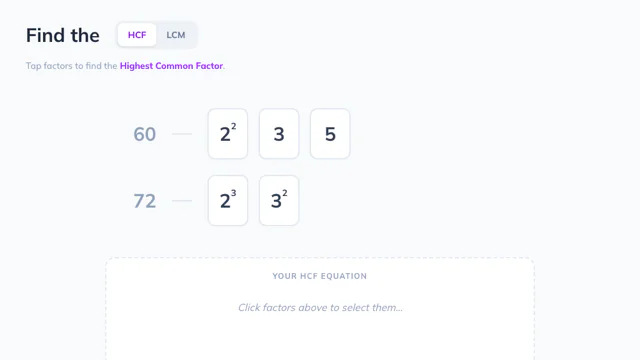
Find the HCF and LCM of two numbers
You practise: highest common factor and lowest common multiple
Aligned with the UK national curriculum. Tap, drag and sort your way through the exam methods that come up in every paper, and repeat each one until you understand it.
You practise: highest common factor and lowest common multiple
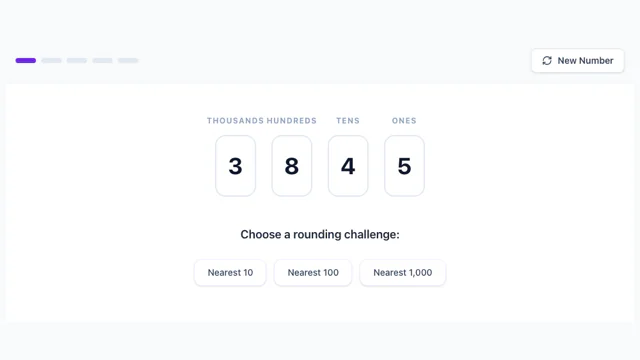
You practise: rounding whole numbers to the nearest 10, 100 and 1,000
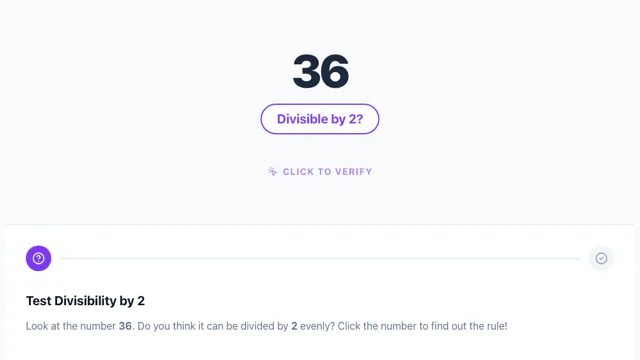
You practise: divisibility rules for 2, 3, 4, 5, 6, 9 and 10
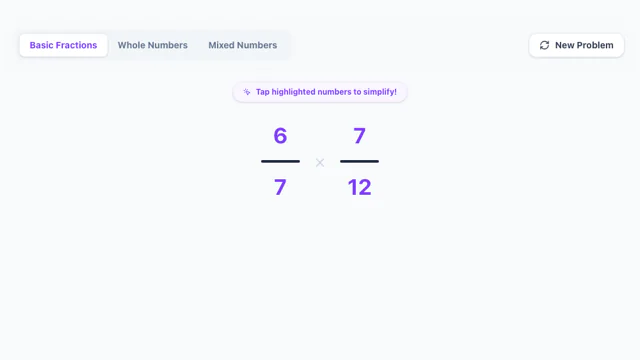
You practise: multiplying and cancelling fractions
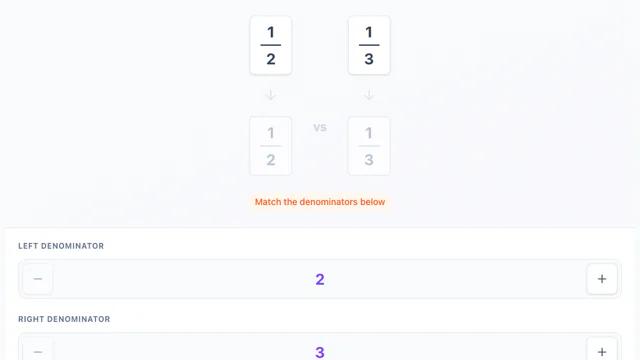
You practise: equivalent fractions with the same denominator
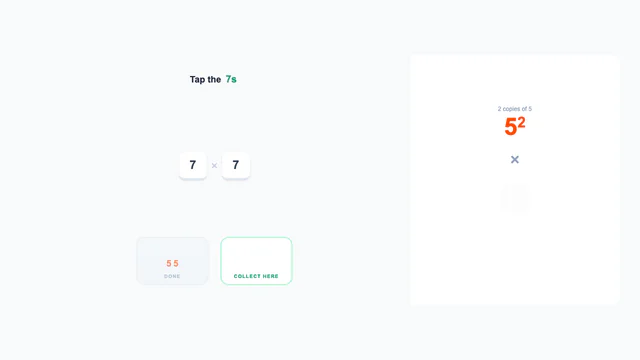
You practise: writing repeated multiplication using powers and indices
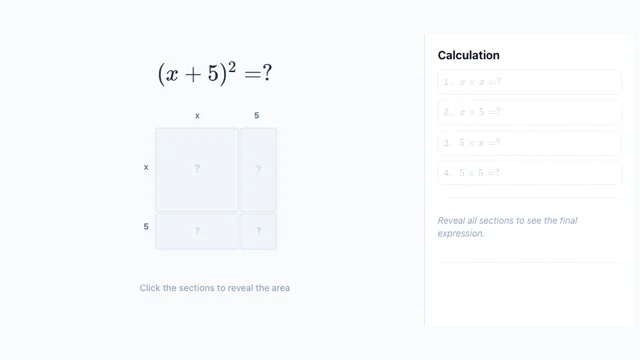
You practise: expanding (a + b)² without losing the middle term
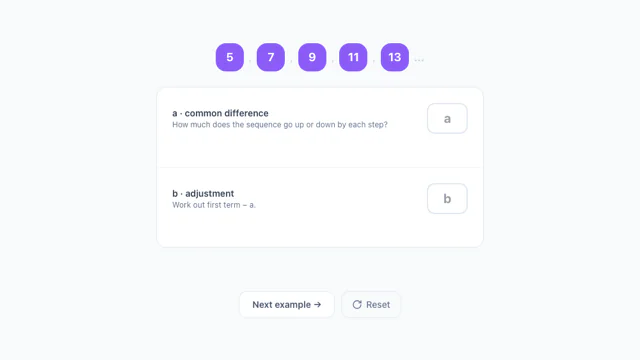
You practise: linear sequences and the nth term rule
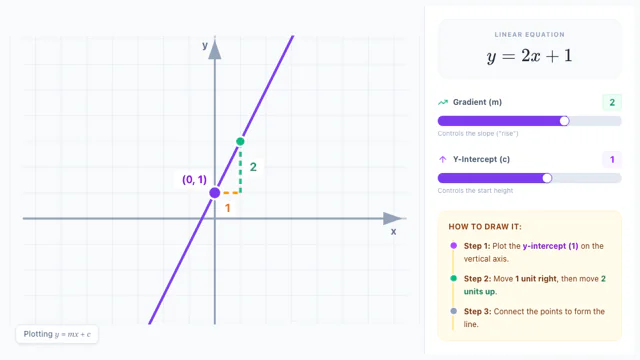
You practise: gradient and y-intercept in y = mx + c
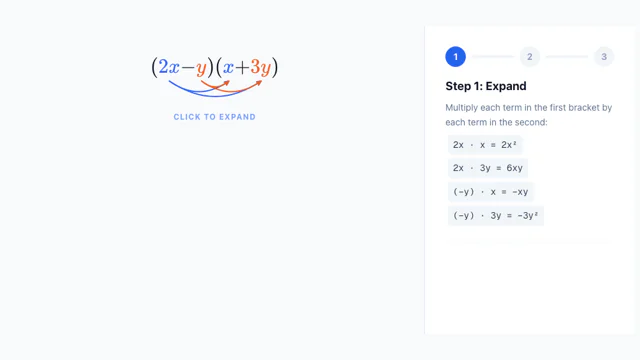
You practise: expanding brackets and collecting like terms
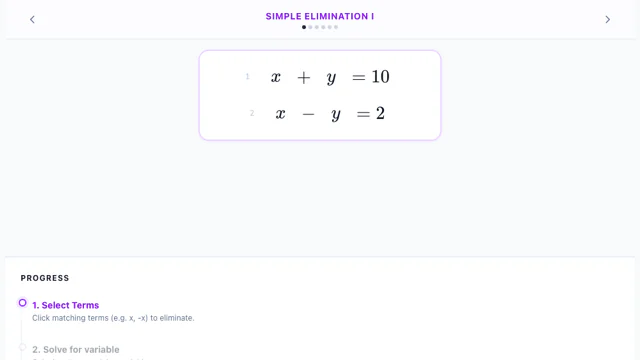
You practise: simultaneous equations by elimination
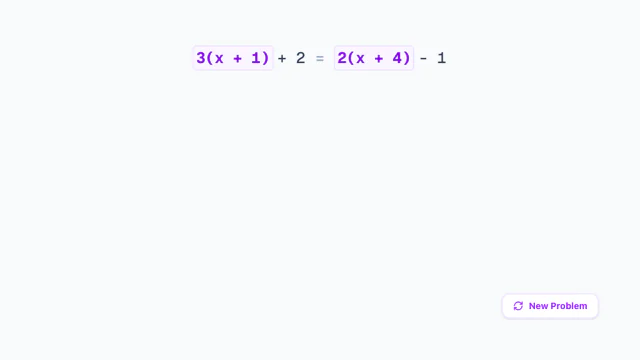
You practise: equations with brackets and x on both sides
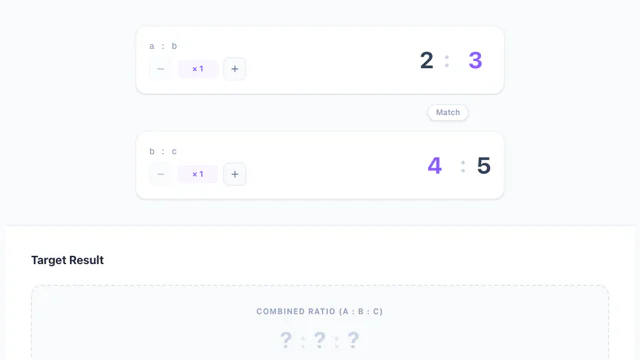
You practise: combining two ratios that share a part
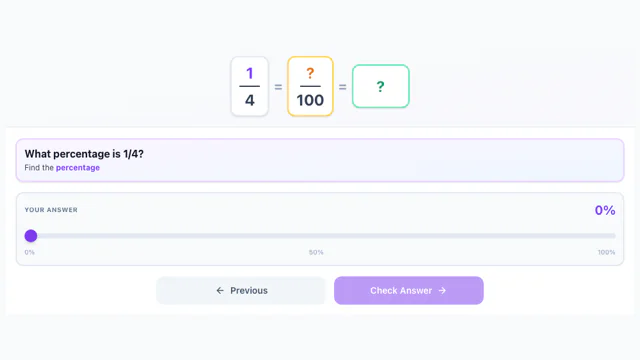
You practise: equivalent fractions out of 100 and percentages
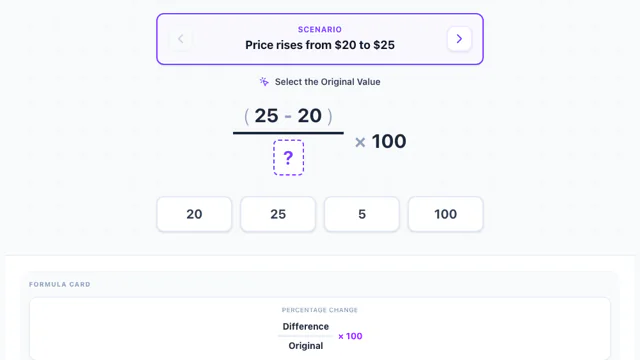
You practise: percentage change from the original and new values
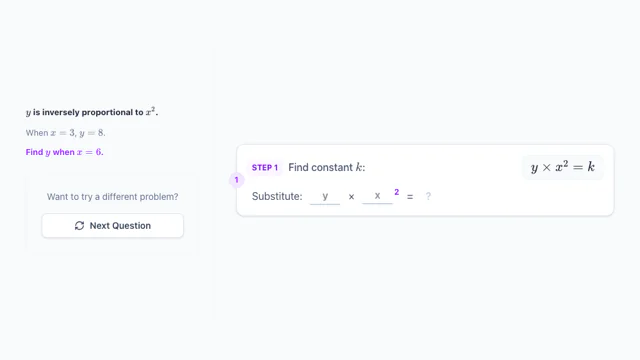
You practise: inverse proportion with y = k/x and y = k/x²
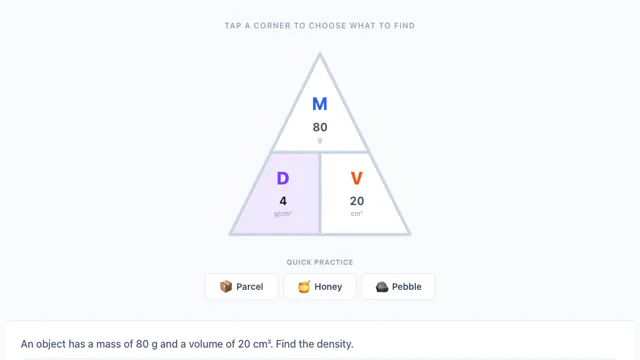
You practise: rearranging density = mass ÷ volume
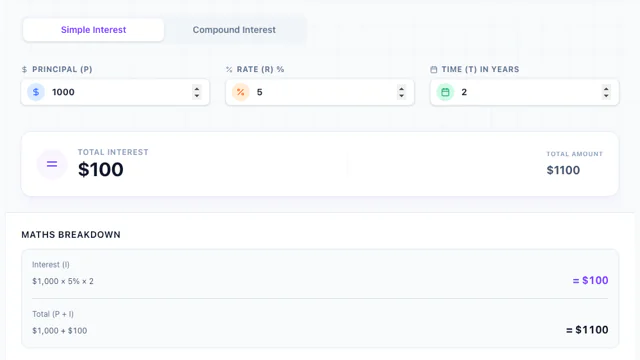
You practise: compound interest as repeated percentage increase
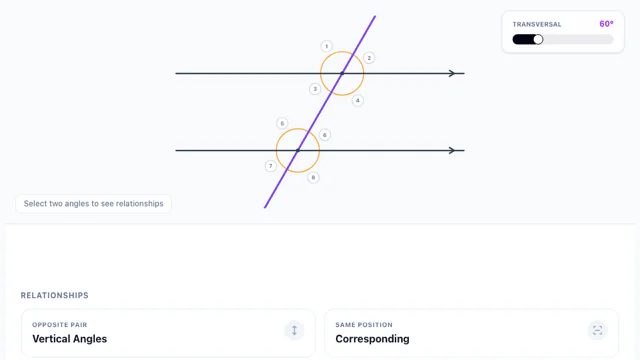
You practise: alternate, corresponding and co-interior angles
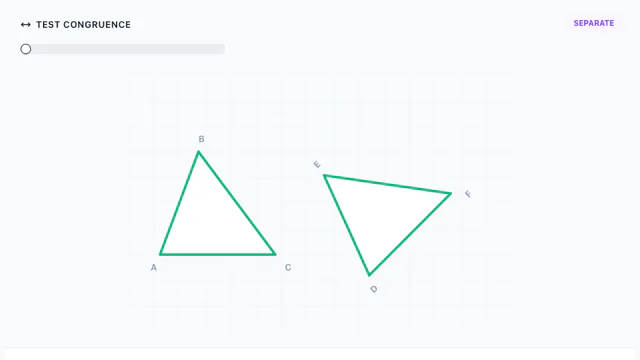
You practise: SSS, SAS, ASA and RHS
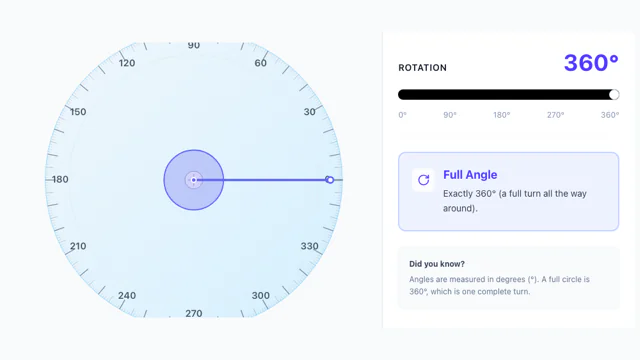
You practise: acute, obtuse and reflex angles in degrees
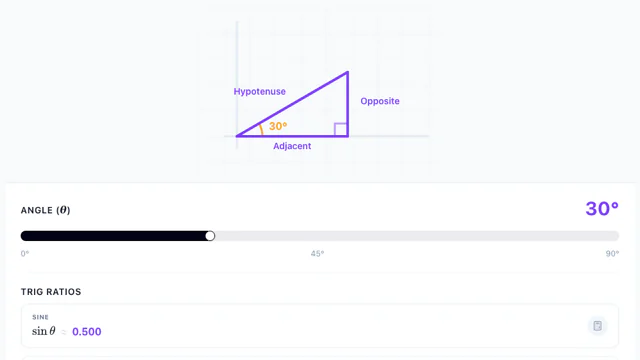
You practise: SOH CAH TOA in right-angled triangles
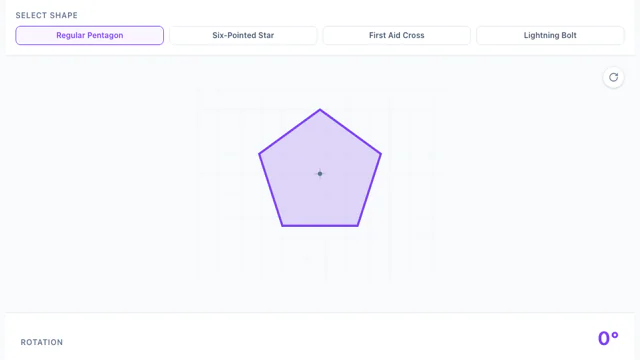
You practise: order of rotational symmetry
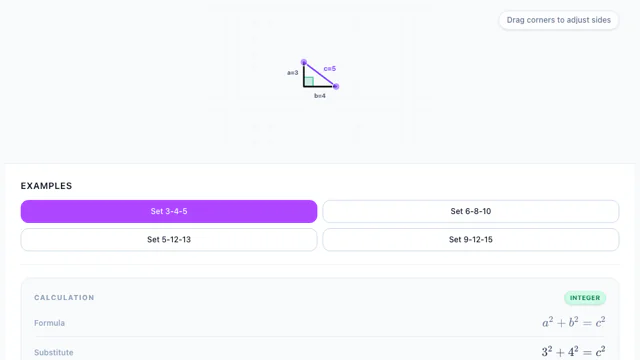
You practise: finding a missing side with a² + b² = c²
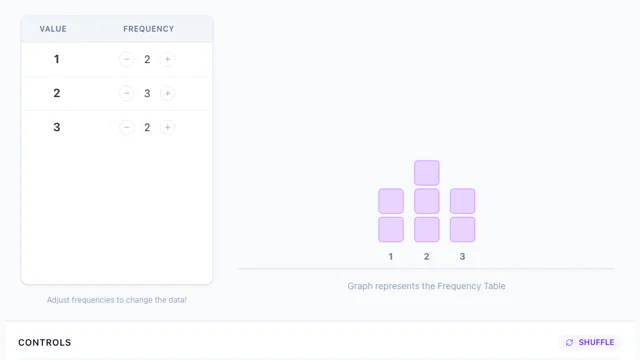
You practise: averages from a frequency table
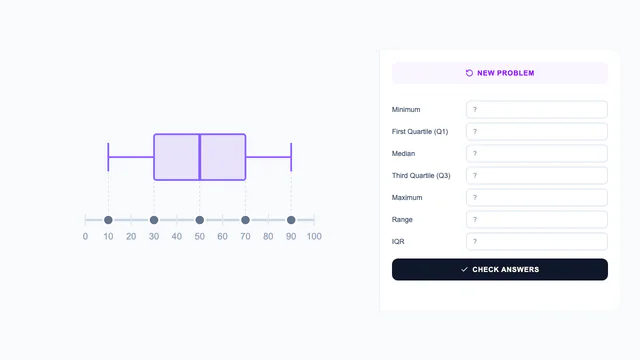
You practise: median, quartiles, range and interquartile range
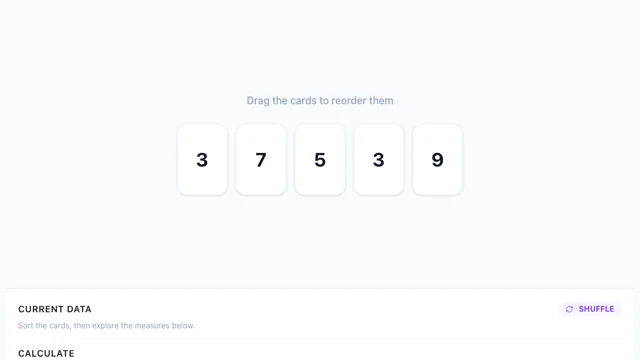
You practise: the four averages from a list
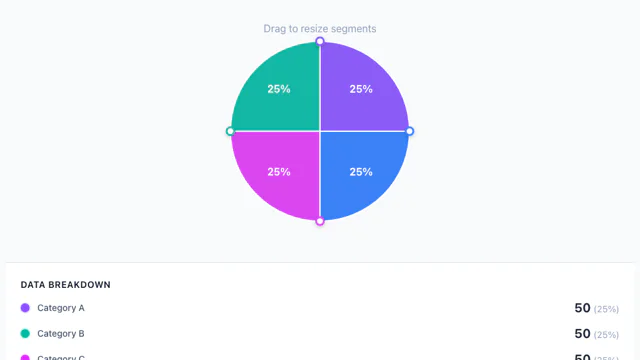
You practise: angles, fractions and percentages in a pie chart
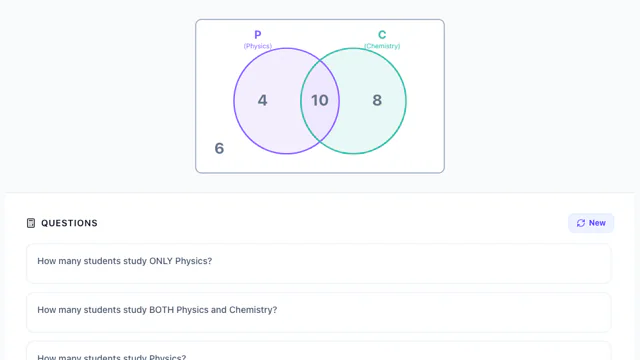
You practise: union, intersection and "only"
You practise: multiplying probabilities along the branches
Not sure where to start?
Choose your school year, answer 16 quick questions and see your strengths, your gaps and the best lesson to start with.