
Bite-sized Video Lessons for Year 6 to GCSE & IGCSE
10-minute lessons with videos, flashcards, quizzes, interactive practice, and AI help.

Not sure where to start?
Answer 16 quick questions. Find your strengths and gaps. Colour your Skills Map.
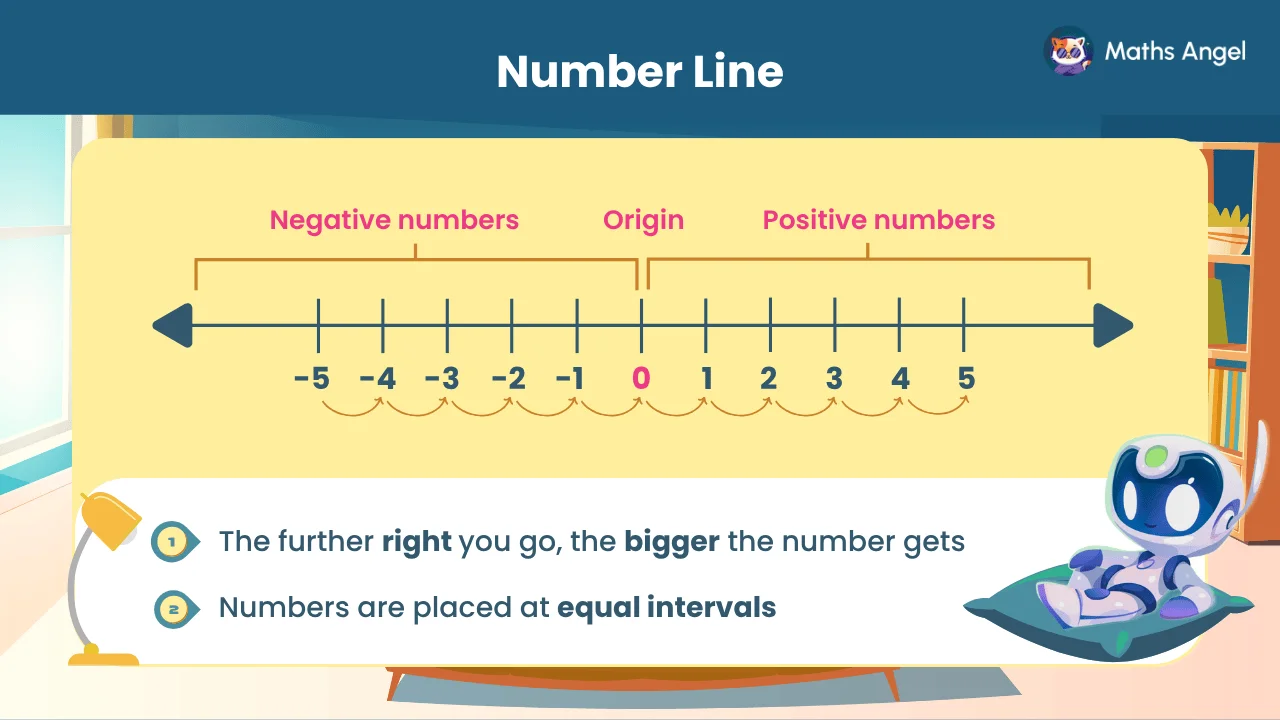
Number Line and Comparing Numbers
A number line places numbers in order on a straight line. Interactive practice to try, plus flashcards to download.
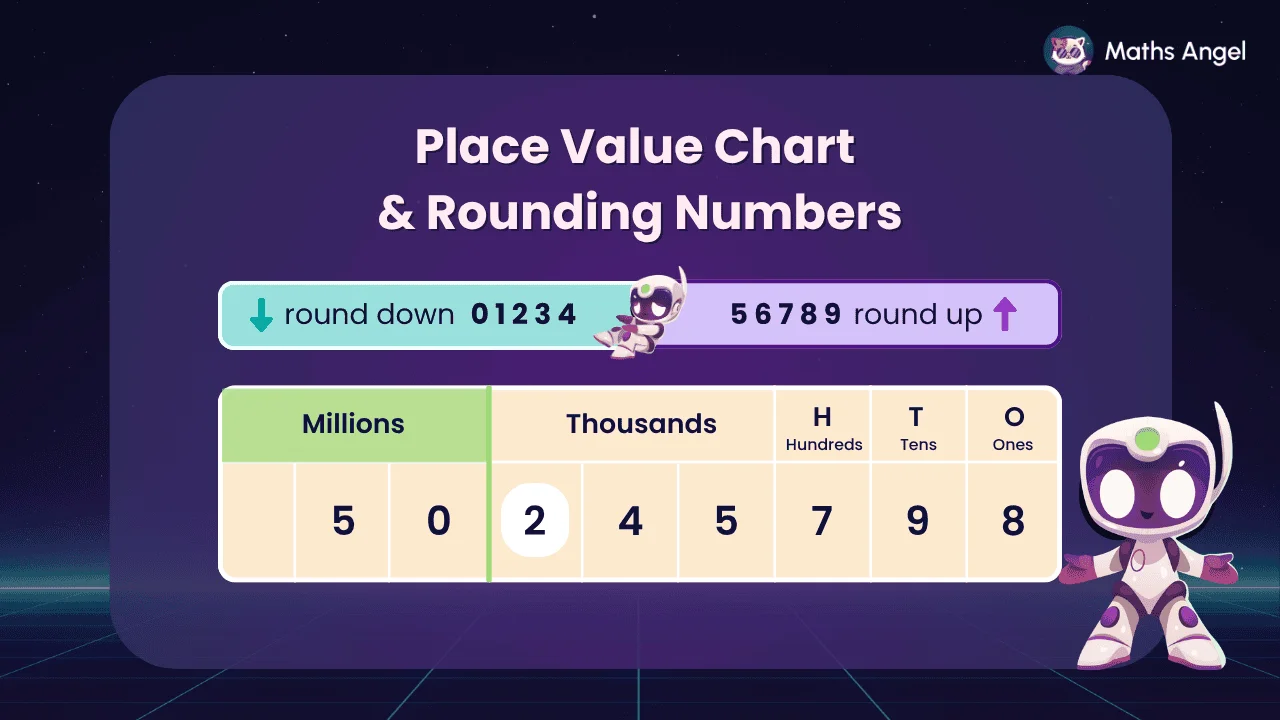
Place Value and Rounding Numbers
Place value is what each digit is worth: in 3482 the 4 means 400. To round, look at the next digit; 5 or more rounds up. Download the flashcards to revise.
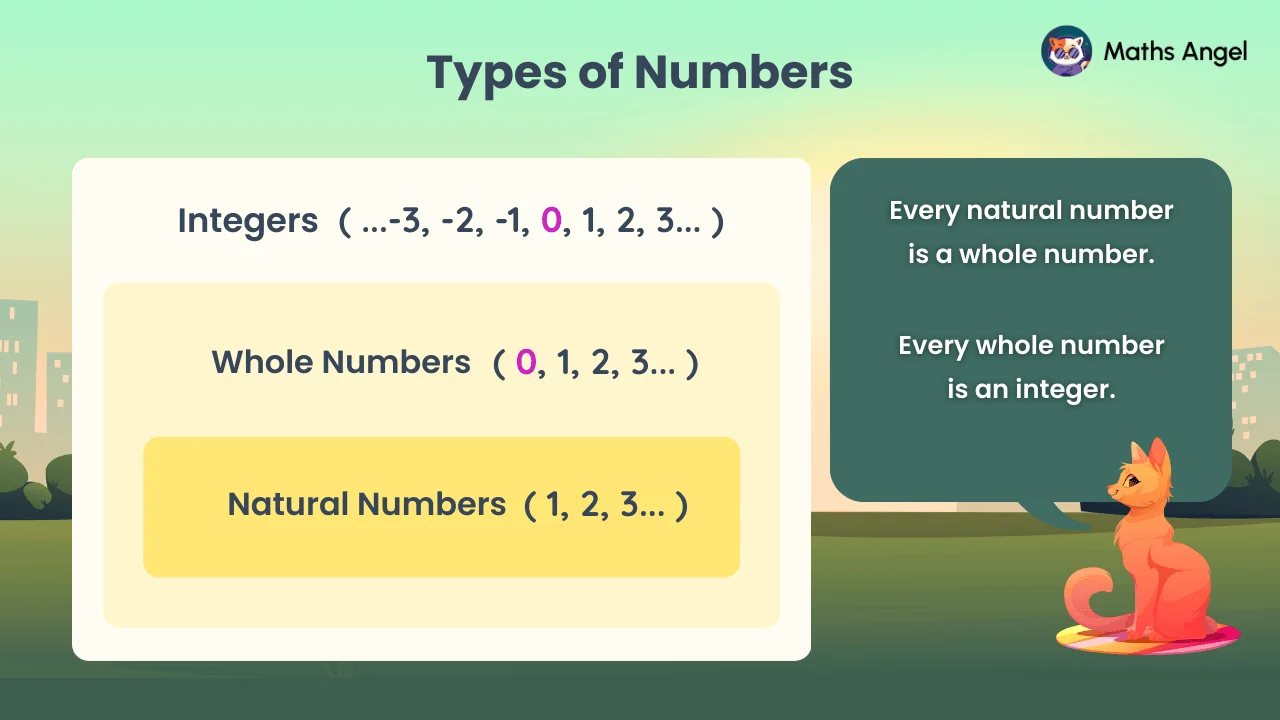
Natural Numbers, Whole Numbers, and Integers
Natural numbers start at 1, whole numbers include 0, and integers add negatives. Worked examples, plus flashcards to download.
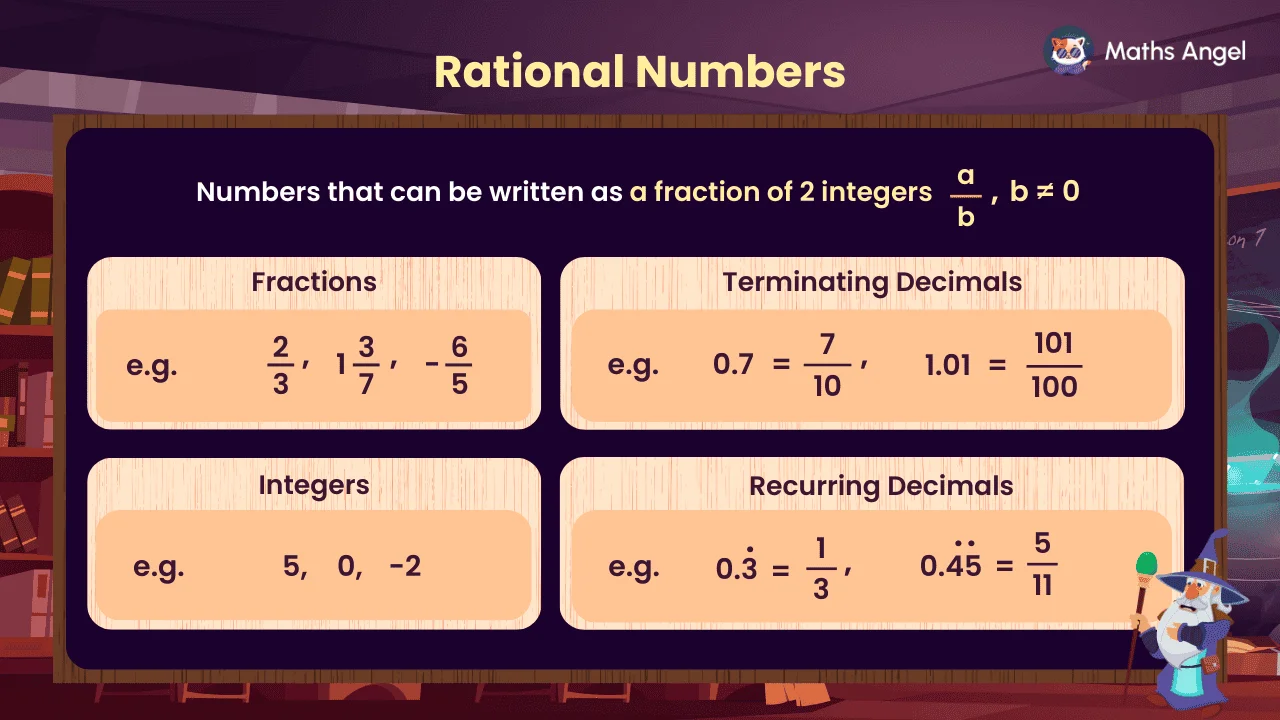
Rational Numbers and Their Location on a Number Line
A rational number is one integer over another, like 3/4, −2 or 0.75; √2 and π are not. Worked examples, plus flashcards to download.
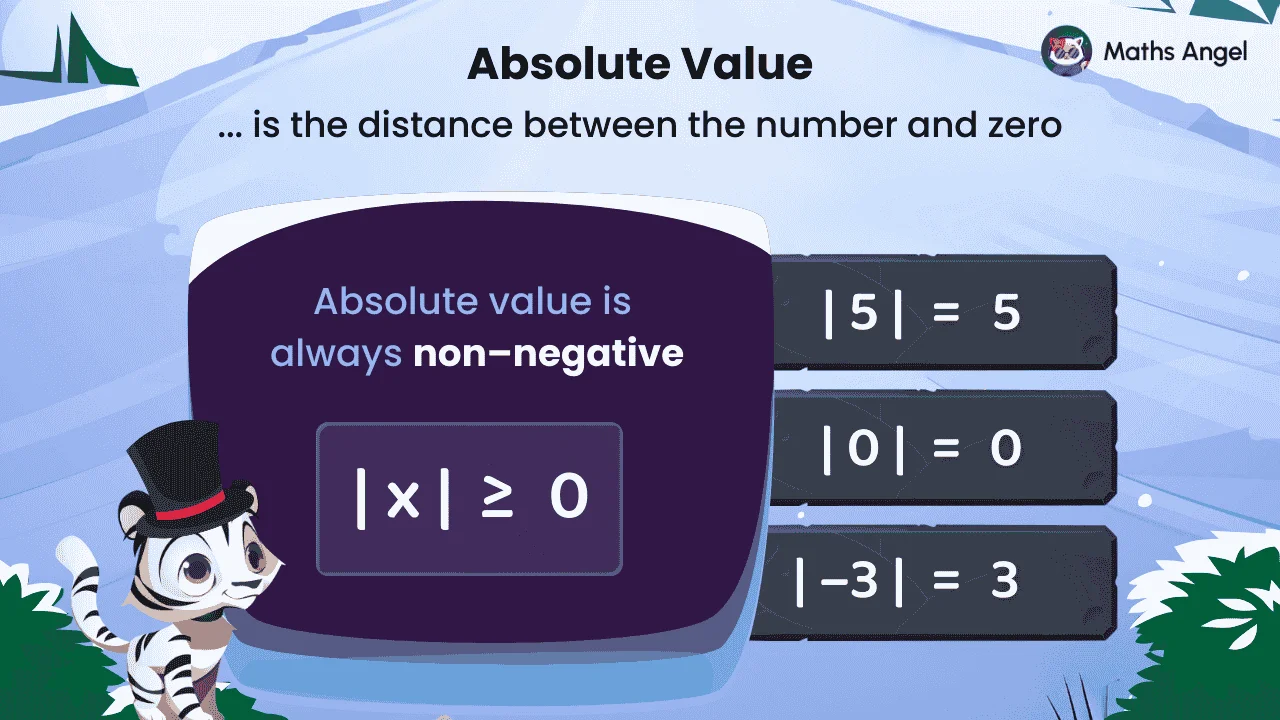
Absolute Value
Absolute value is the distance from zero, so |−5| = 5 and |5| = 5; it is never negative. Worked examples, plus flashcards to download.
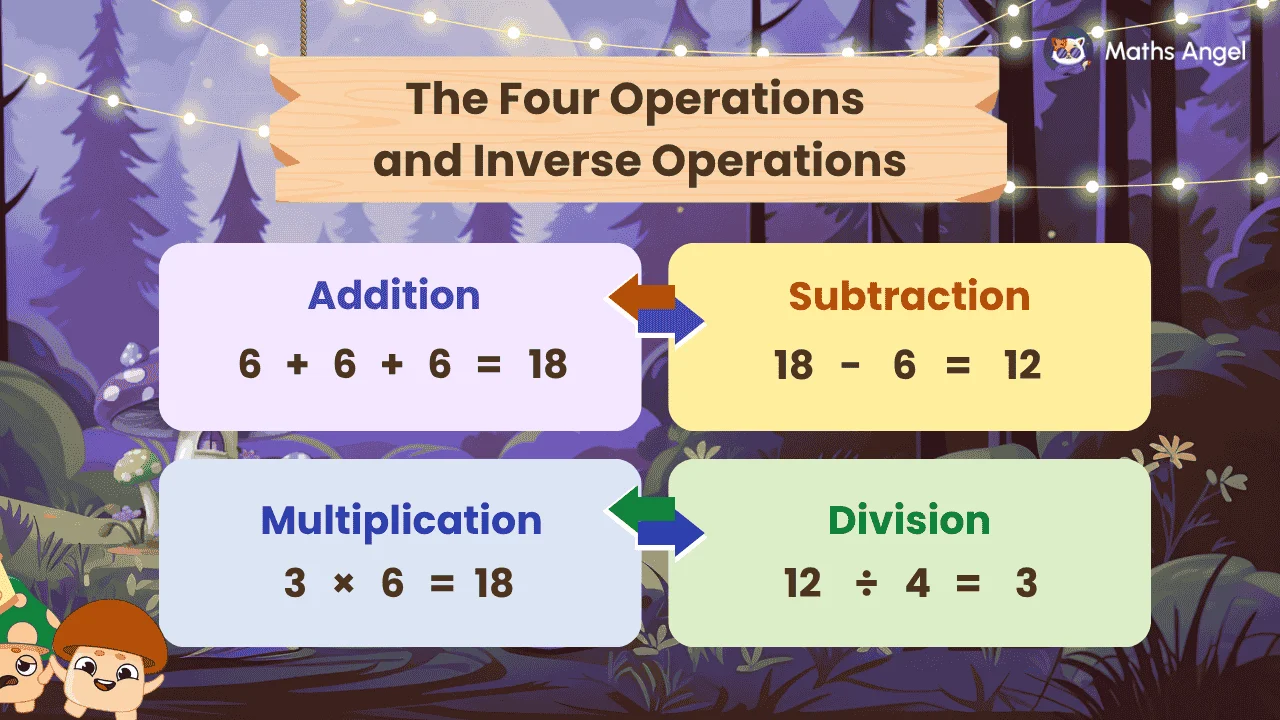
Basic Arithmetic and Inverse Operations
Basic arithmetic covers addition, subtraction, multiplication and division; inverse operations undo each other. Worked examples, plus flashcards.
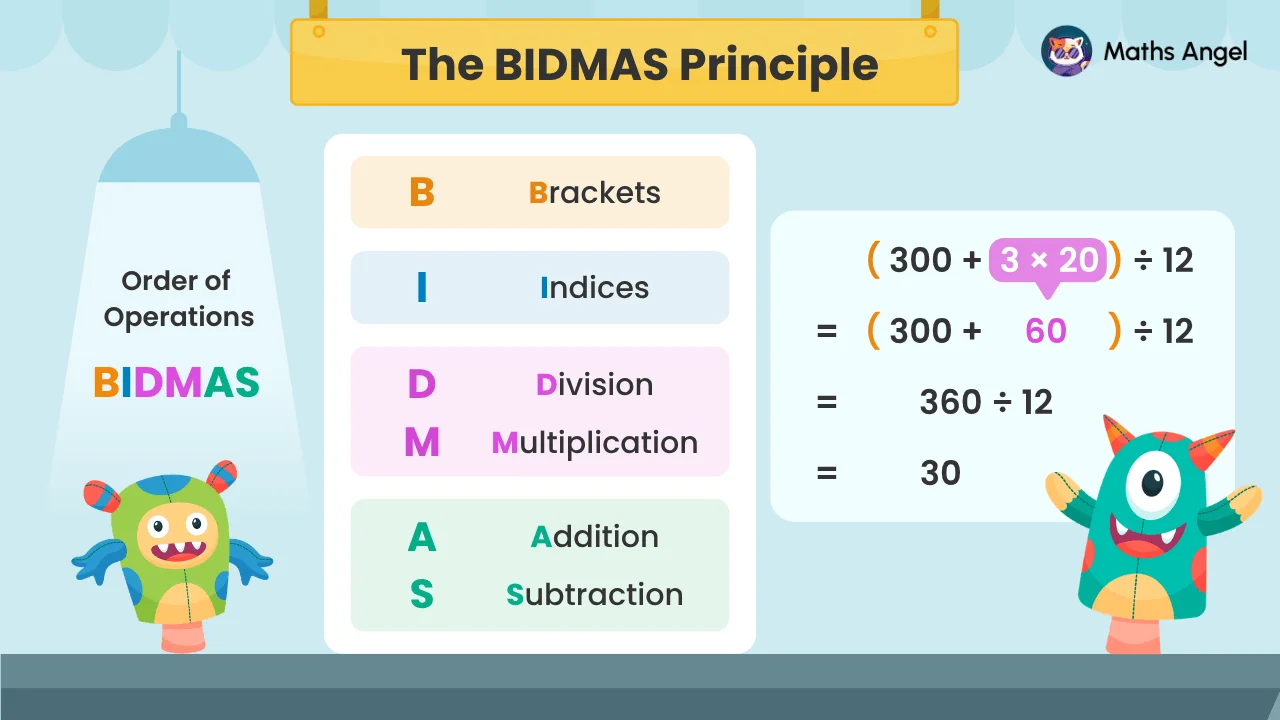
BIDMAS - Order of Operations
BIDMAS is the order of operations: Brackets, Indices, Divide, Multiply, Add, Subtract. Flashcards to download, plus a quiz to test yourself.
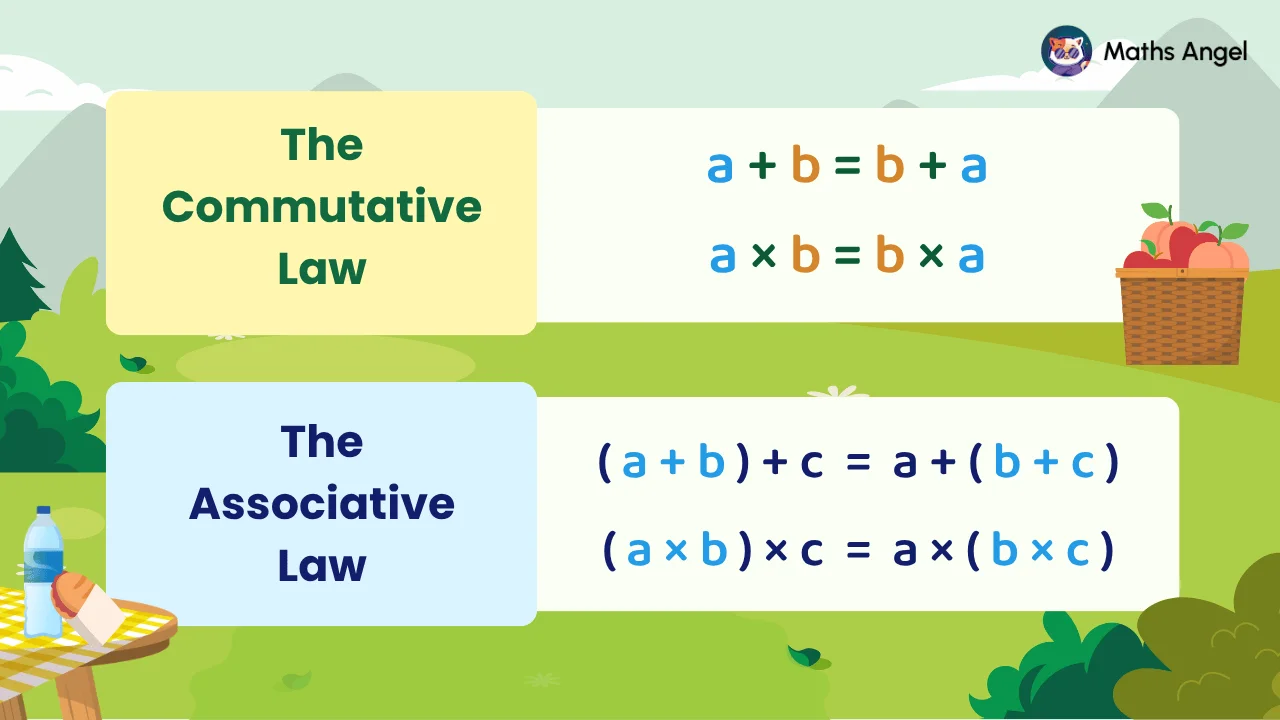
Commutative and Associative Laws
Commutative: a + b = b + a. Associative: (a + b) + c = a + (b + c). Same for multiplying. Flashcards to download to revise both laws.
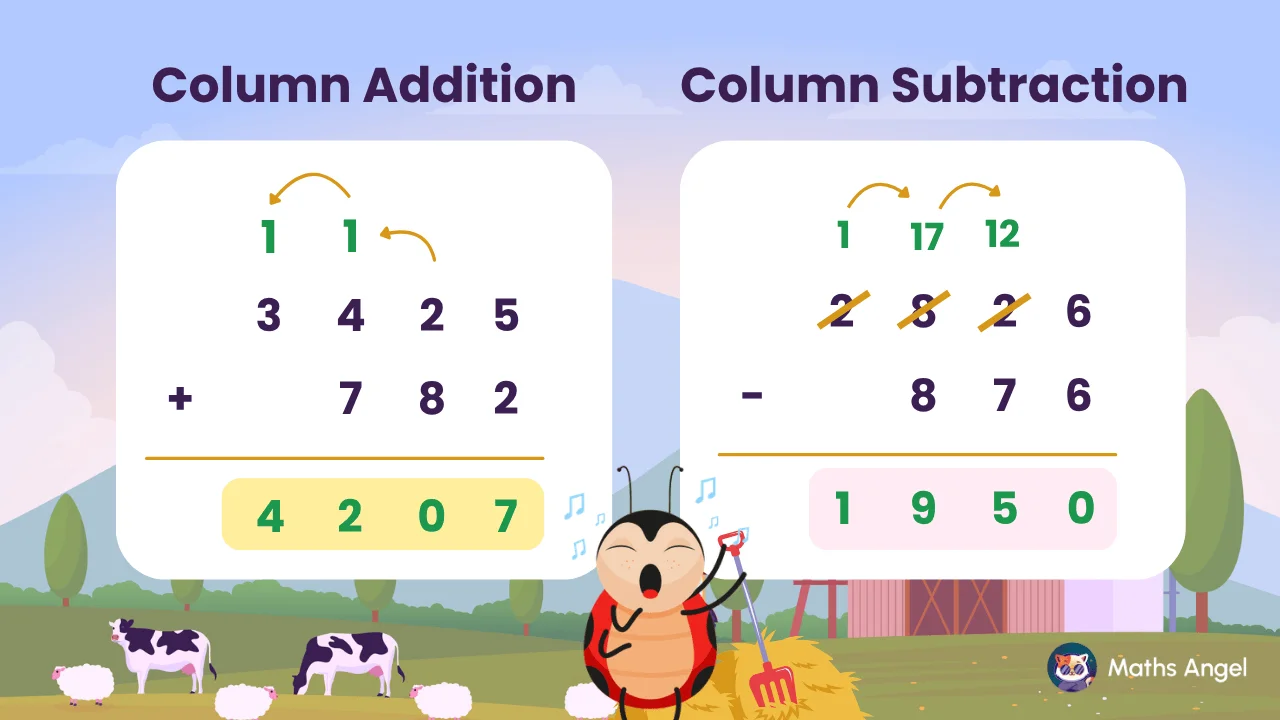
Column Addition and Column Subtraction
Column addition and subtraction are used to add and subtract multi-digit numbers vertically. Interactive practice to try, plus flashcards to download.
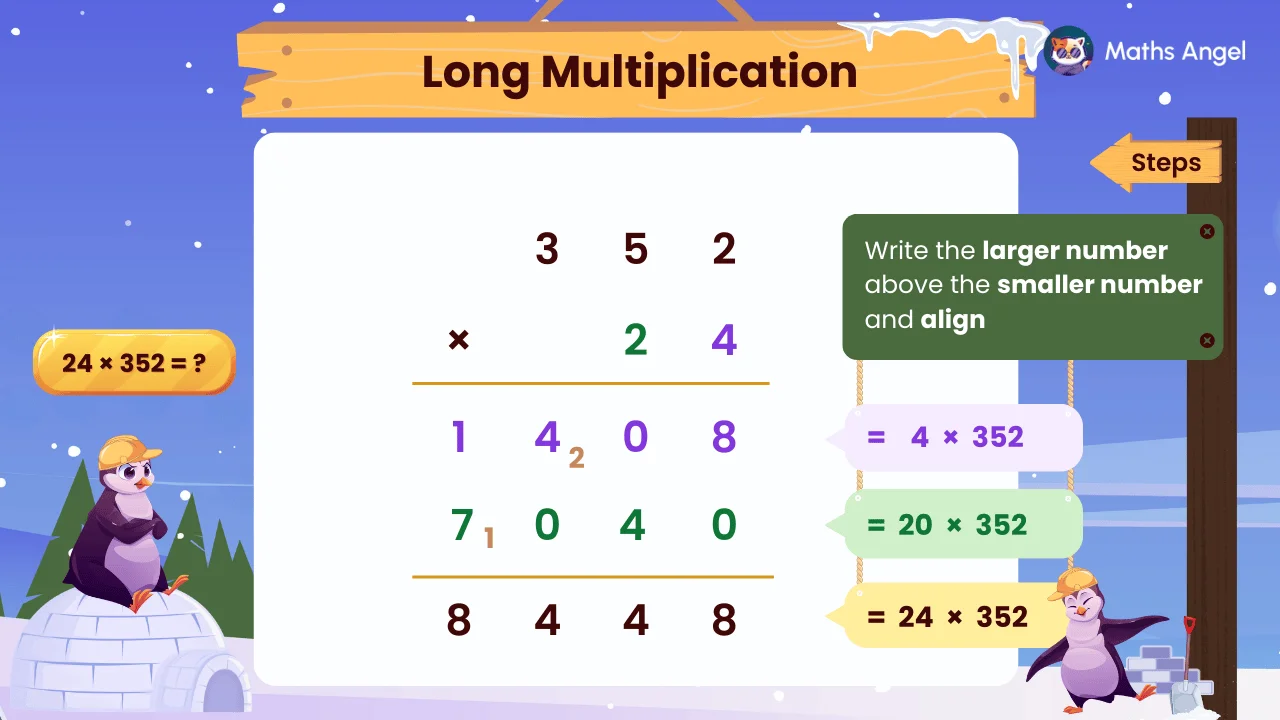
Long Multiplication
Long multiplication splits large calculations into smaller digit-by-digit steps. Interactive practice to try, plus flashcards to download.
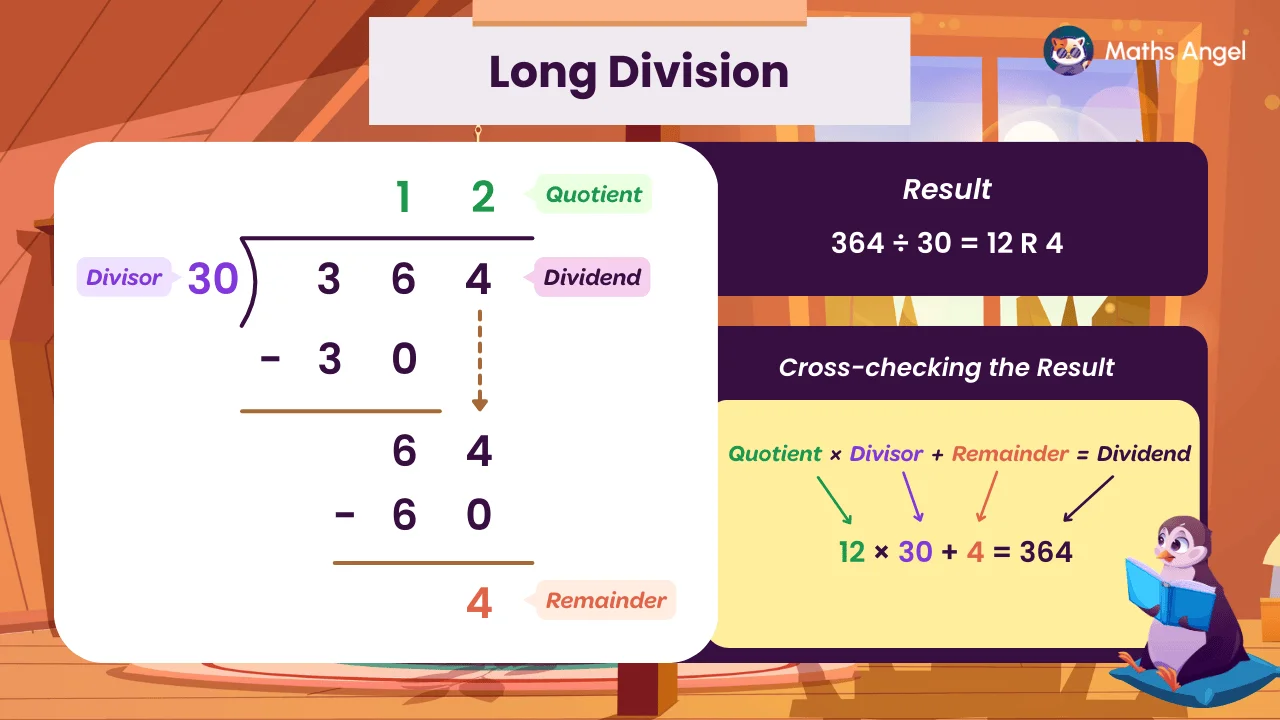
Long Division
Long division goes one digit at a time: divide, multiply, subtract, bring down, repeat. Worked examples, plus flashcards to download.
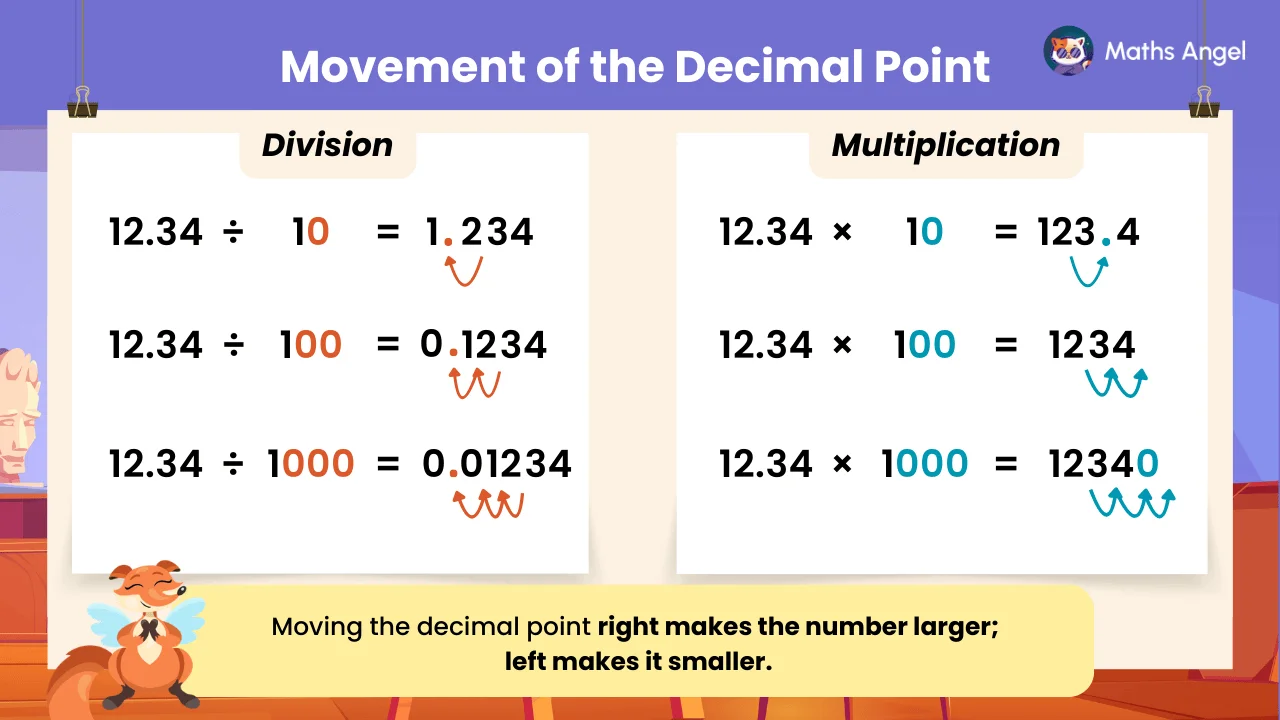
Movement of the Decimal Point
Moving the decimal point right multiplies a number by 10, 100 or 1000; moving it left divides. A 3-minute video, plus a quiz to test yourself.
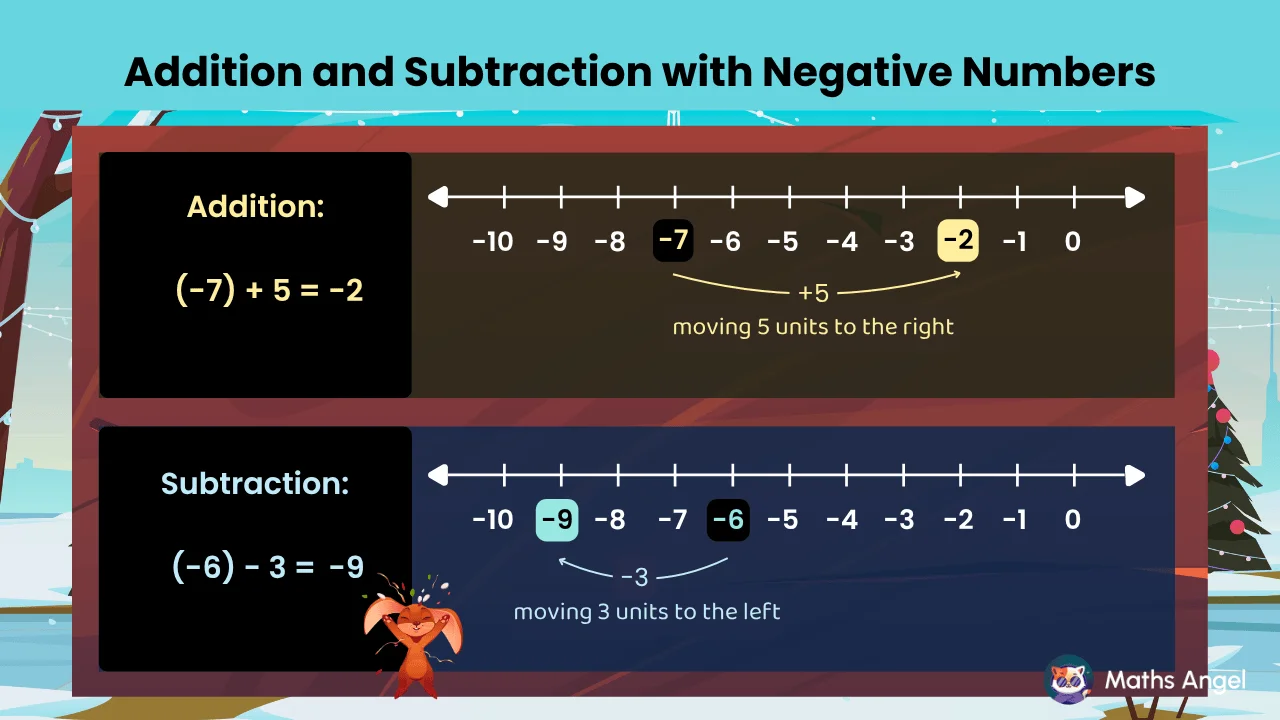
Adding and Subtracting Negative Numbers
Adding and subtracting negatives: two signs the same make a plus, two different make a minus. Flashcards to download to revise the rules.
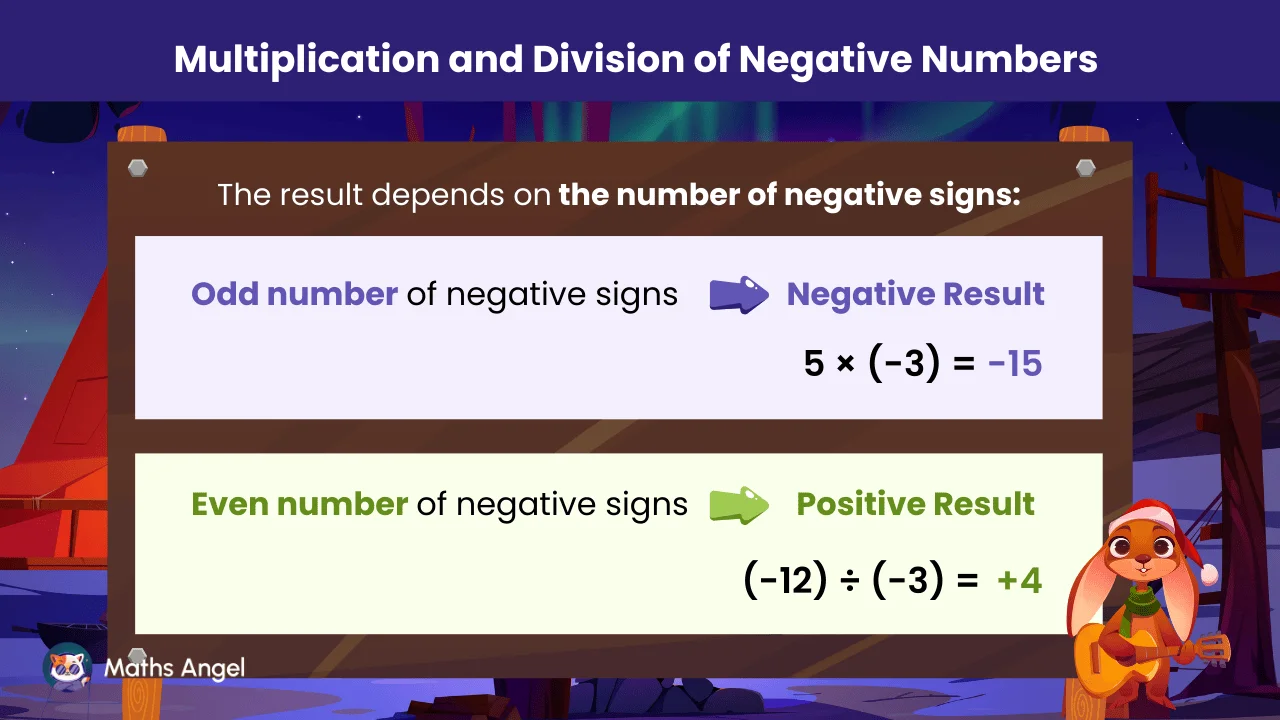
Multiplying and Dividing Negative Numbers
Multiplying or dividing negatives: same signs give a plus, different signs give a minus. Interactive practice to try, plus flashcards to download.
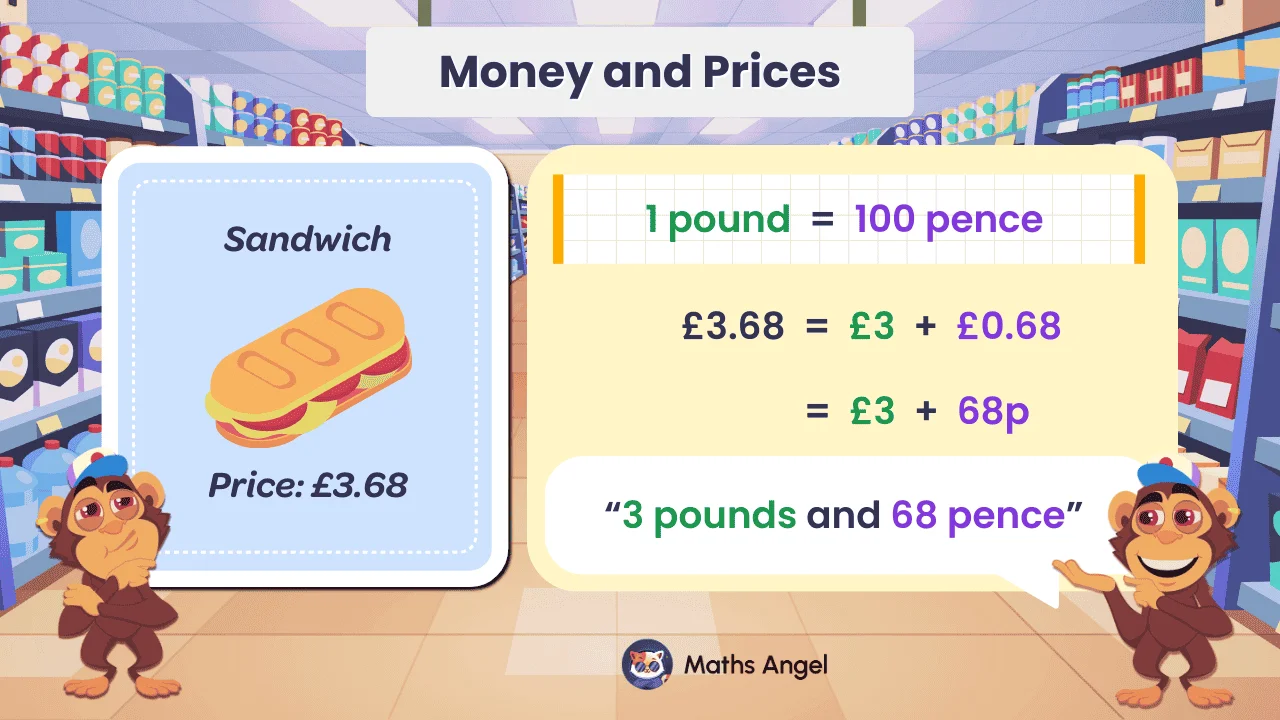
Calculating Money
Calculating money involves separating pounds and pence for each operation. Interactive practice to try, plus flashcards to download.
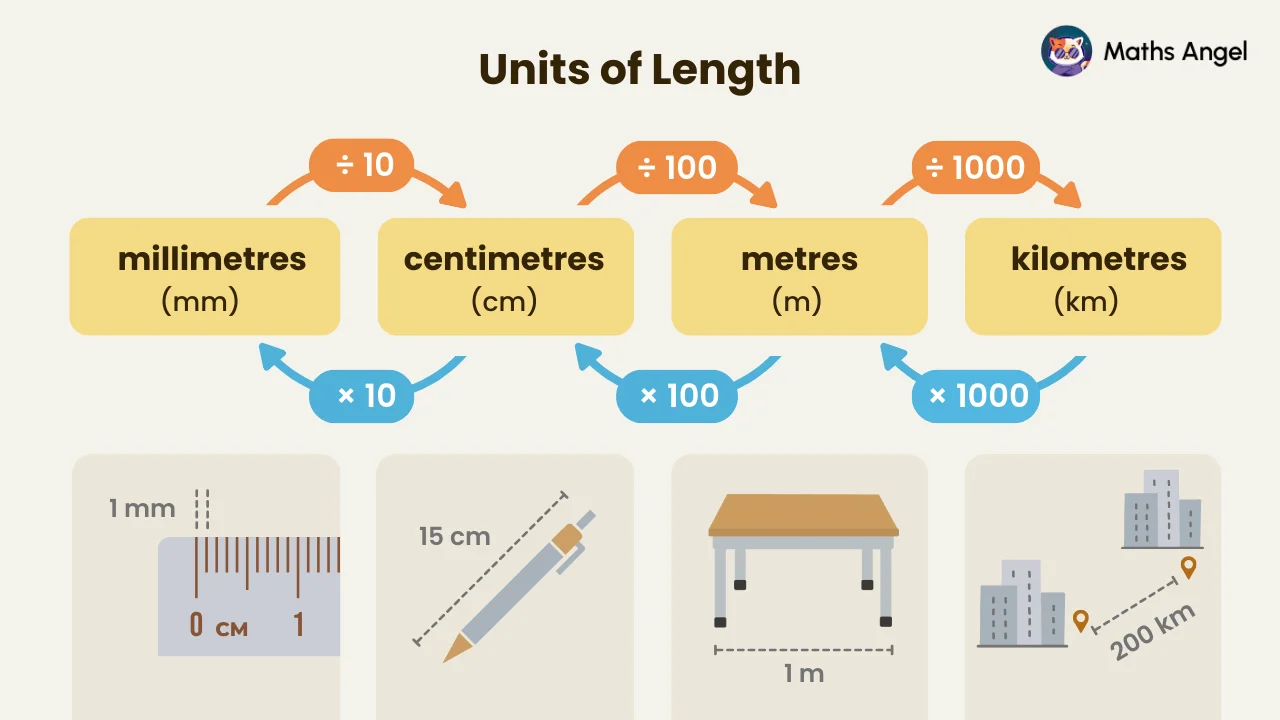
Converting and Calculating Units of Length
1 km = 1000 m, 1 m = 100 cm and 1 cm = 10 mm. Convert between them and add or subtract lengths. Free 4-minute video, plus a quiz to test yourself.
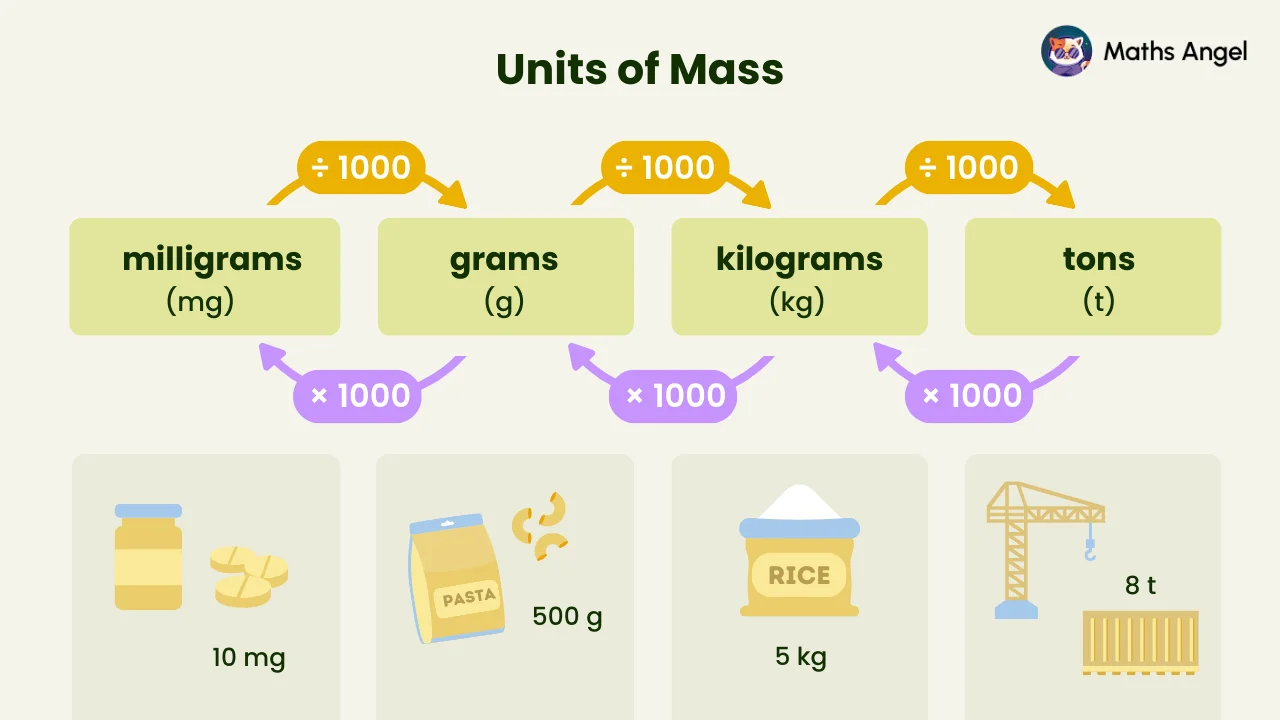
Converting and Calculating Units of Mass
1 tonne = 1000 kg, 1 kg = 1000 g and 1 g = 1000 mg: multiply going down, divide going up. Flashcards to download, plus a quiz to test yourself.
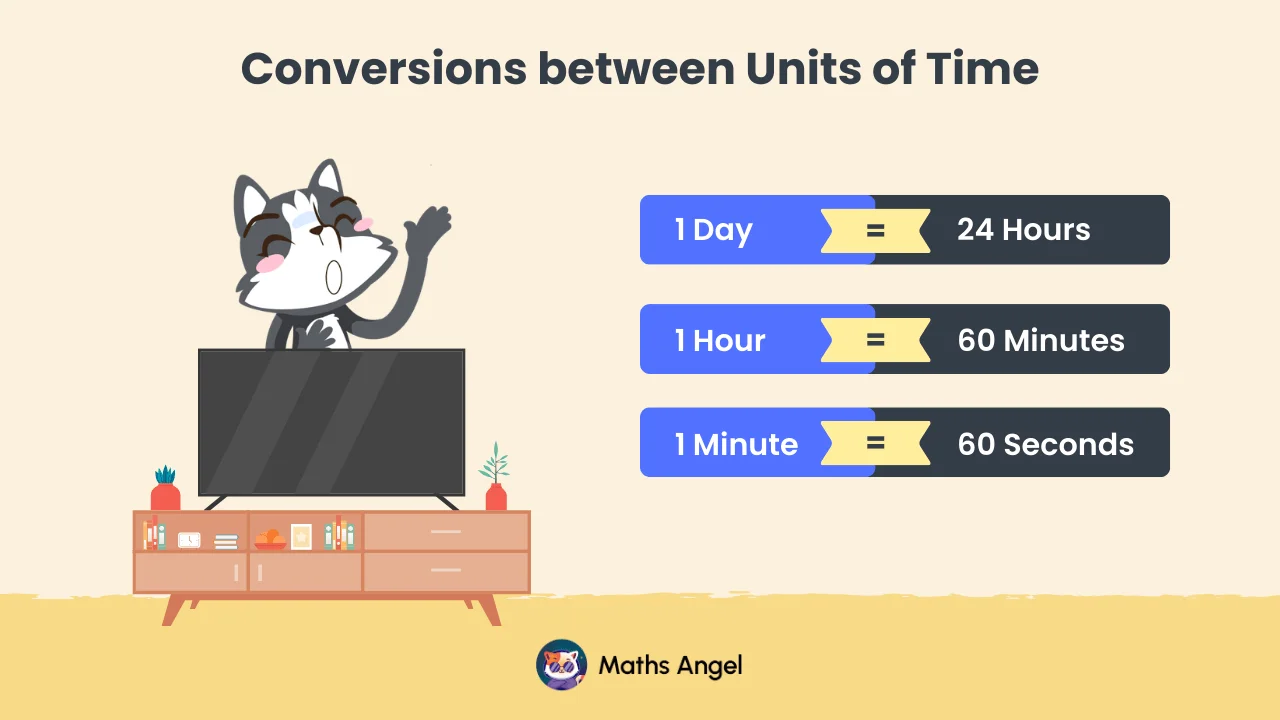
Converting Time and Calculating Time
1 hour = 60 minutes and 1 minute = 60 seconds, so 2 h 15 min is 135 minutes. Quiz to test yourself, plus flashcards to download.
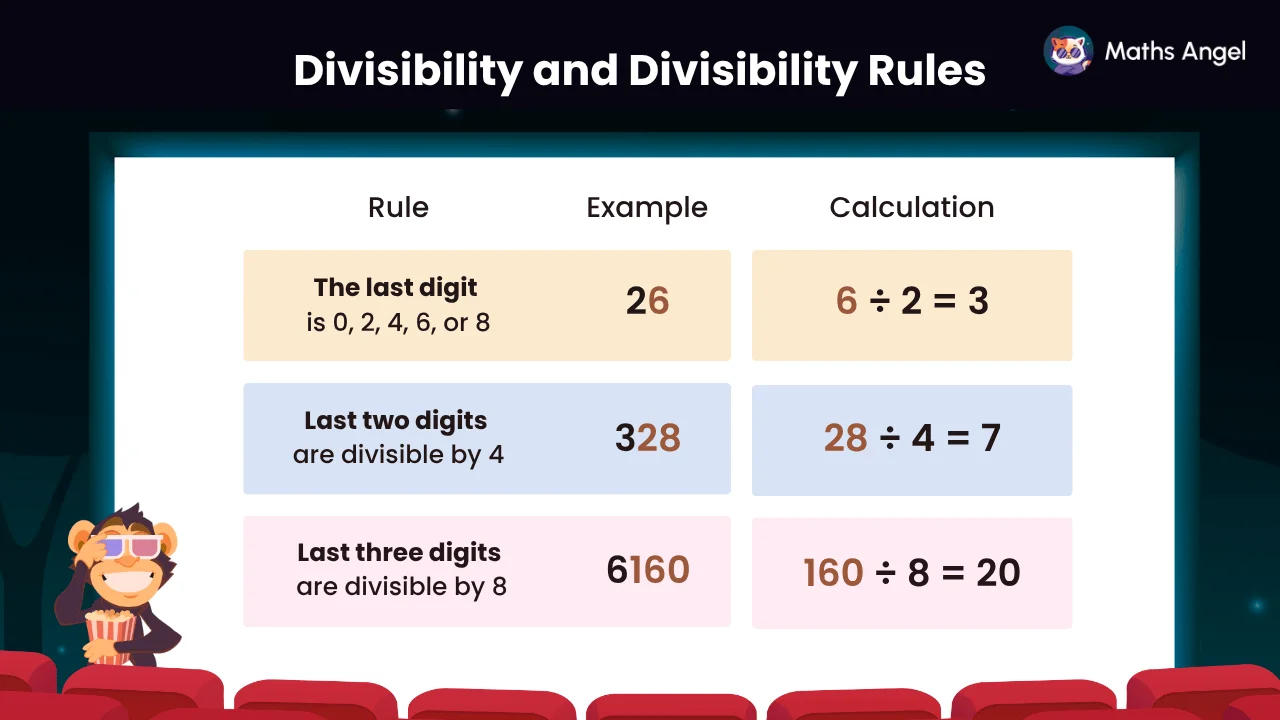
Divisibility and Divisibility Rules
Divisibility rules for 2 to 10 are simple digit checks to test if a number divides evenly. Interactive practice to try, plus flashcards to download.
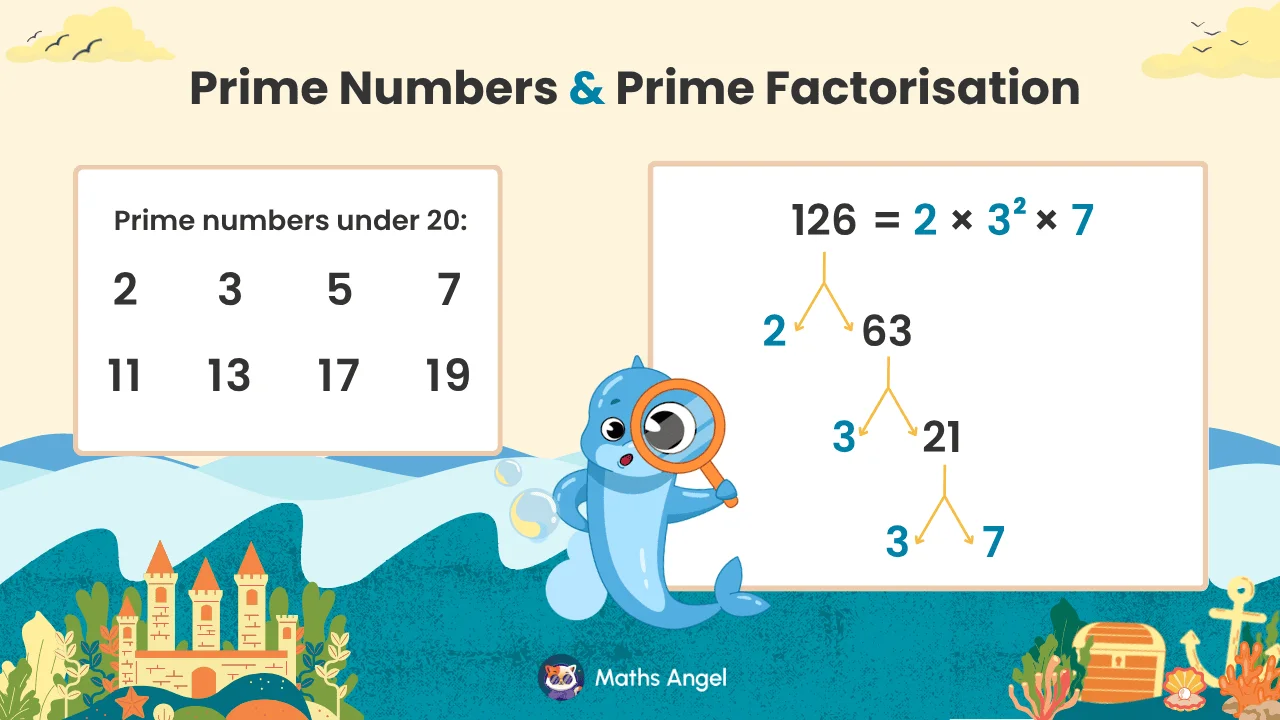
Prime Numbers and Prime Factorisation
A prime number has exactly two factors: 1 and itself. Interactive practice to try, plus flashcards to download.
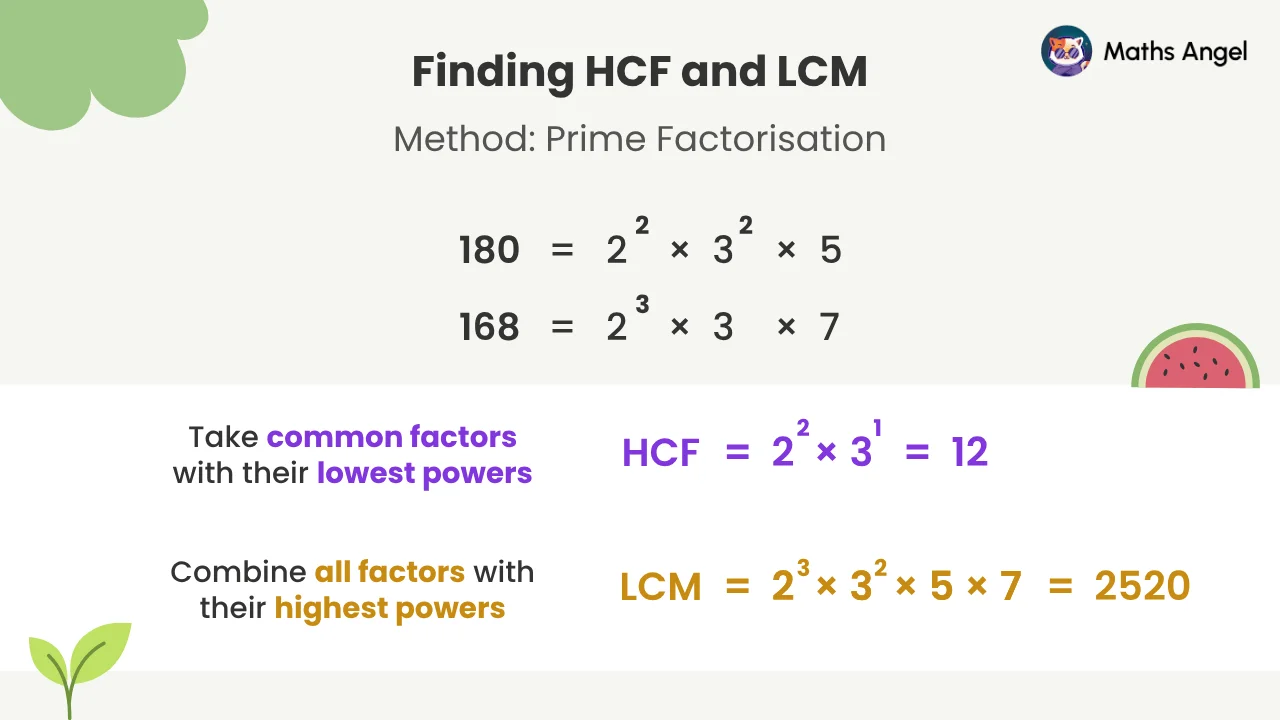
How to Find HCF and LCM
The HCF is the largest factor two numbers share; the LCM is their smallest common multiple. A 4-minute video, plus flashcards to download.
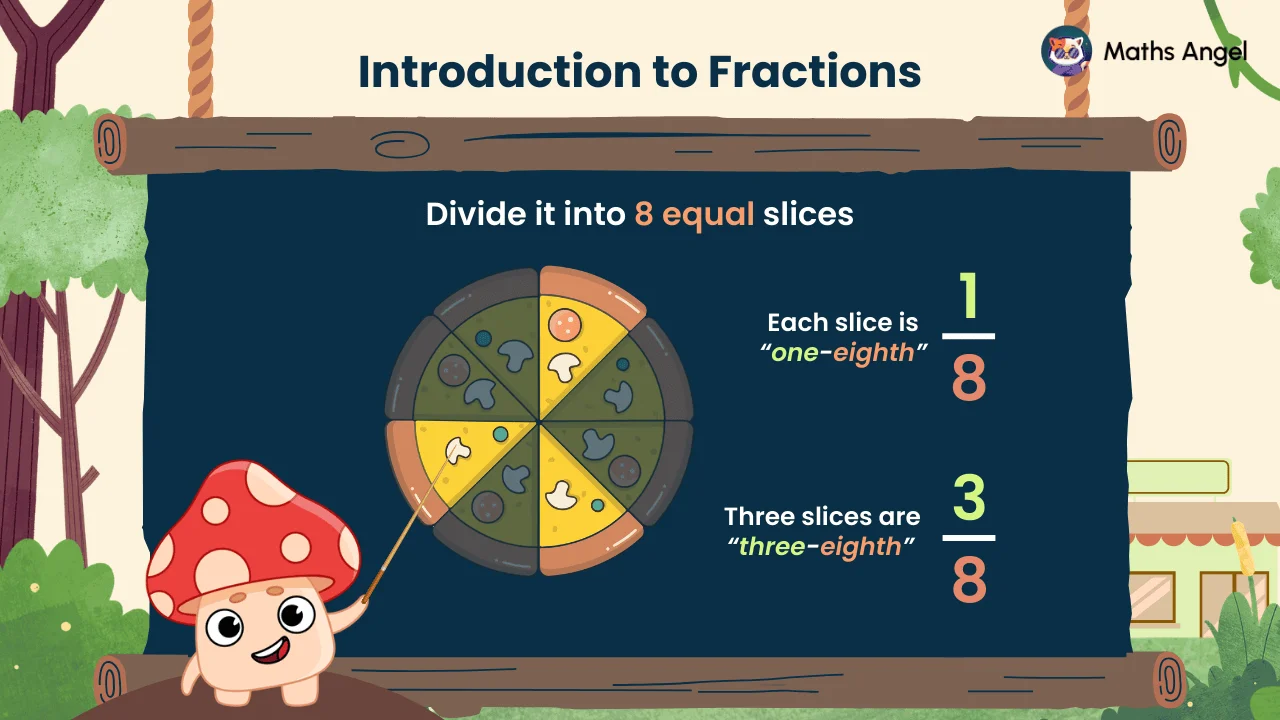
Introduction to Fractions
Fractions show parts of a whole with a numerator and denominator, like 3/4. Find a fraction of an amount too. Worked examples, plus flashcards to download.
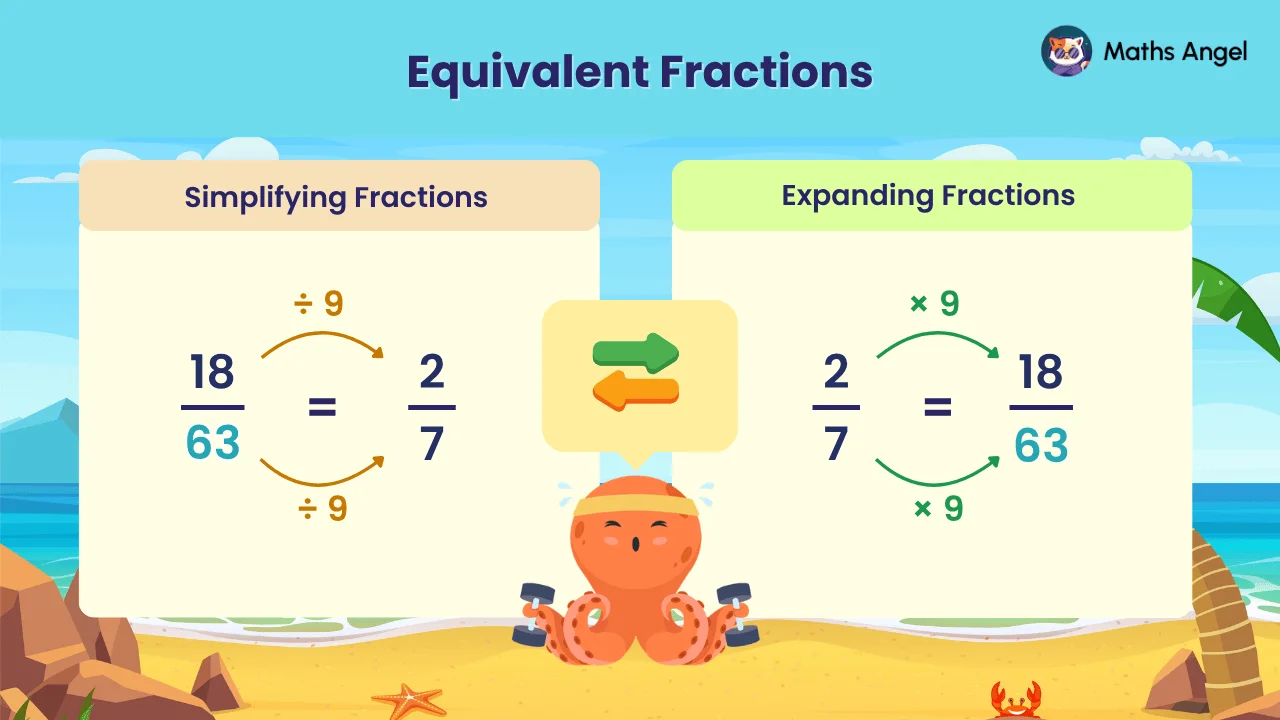
Equivalent Fractions
Equivalent fractions look different but have the same value, like 1/2 = 2/4 = 3/6. A 3-minute video, plus a quiz to test yourself.
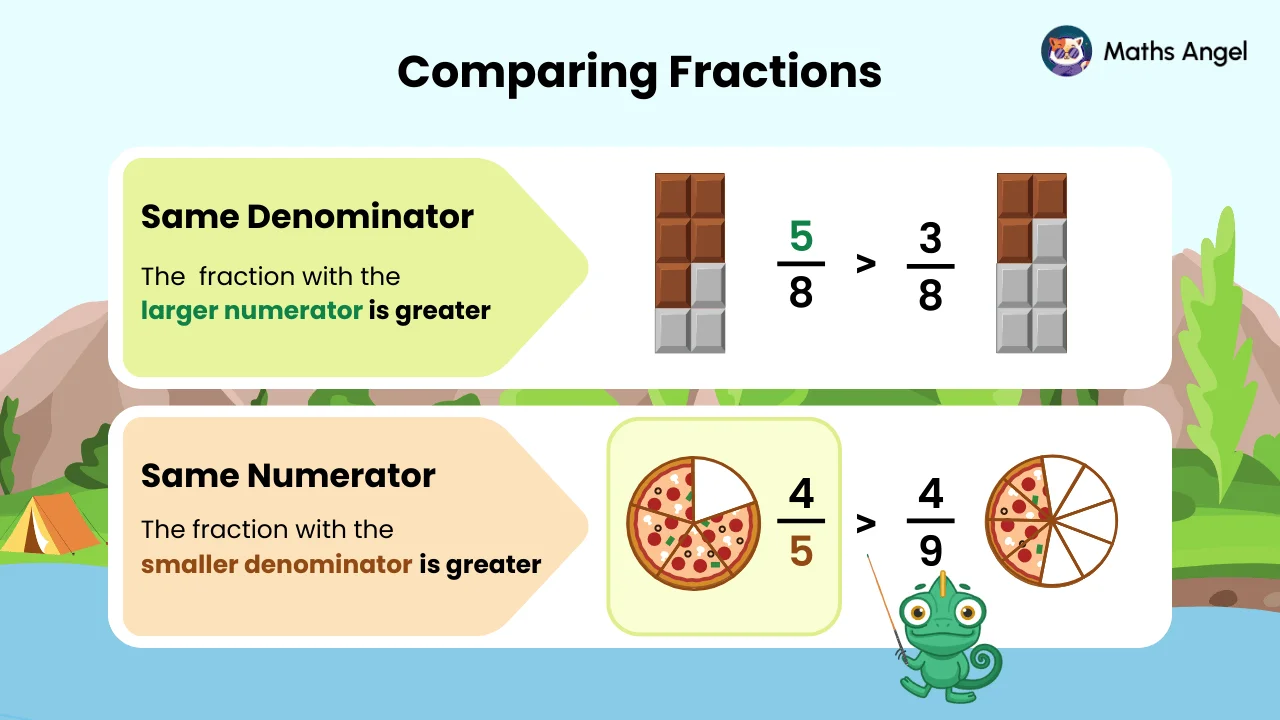
Comparing Fractions
To compare fractions, use the same denominator: 2/3 = 8/12 and 3/4 = 9/12, so 3/4 is bigger. Worked examples, plus flashcards to download.
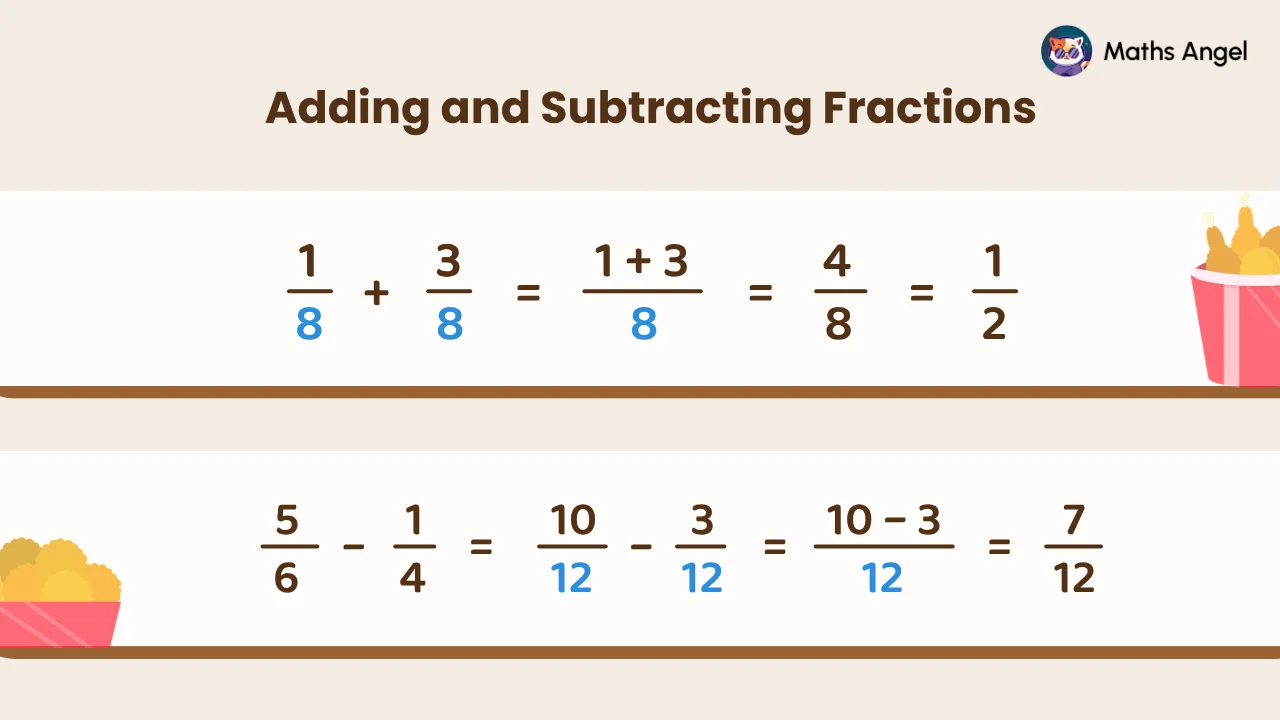
Adding and Subtracting Fractions
Adding and subtracting fractions requires a common denominator when fractions are unlike. Worked examples, plus a 3-minute video.
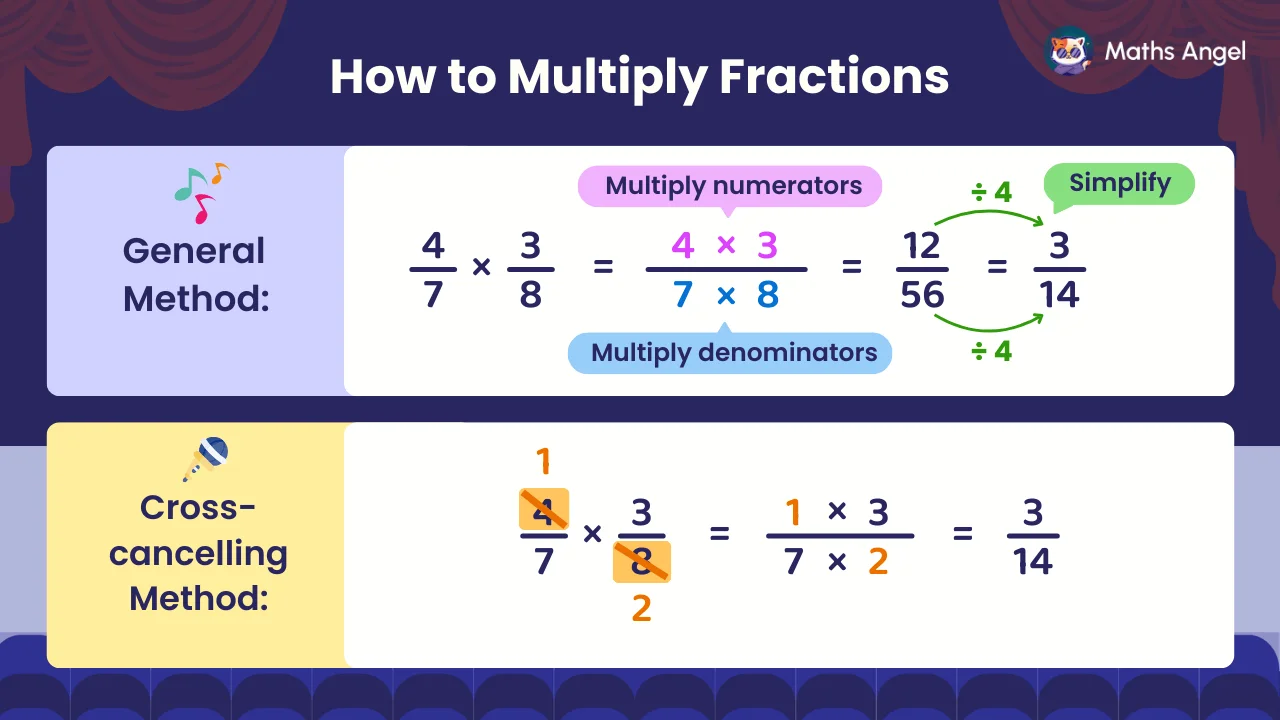
Multiplying Fractions
Multiply the tops, multiply the bottoms, then simplify, or cross-cancel first. Whole and mixed numbers are covered. Download the flashcards to revise.
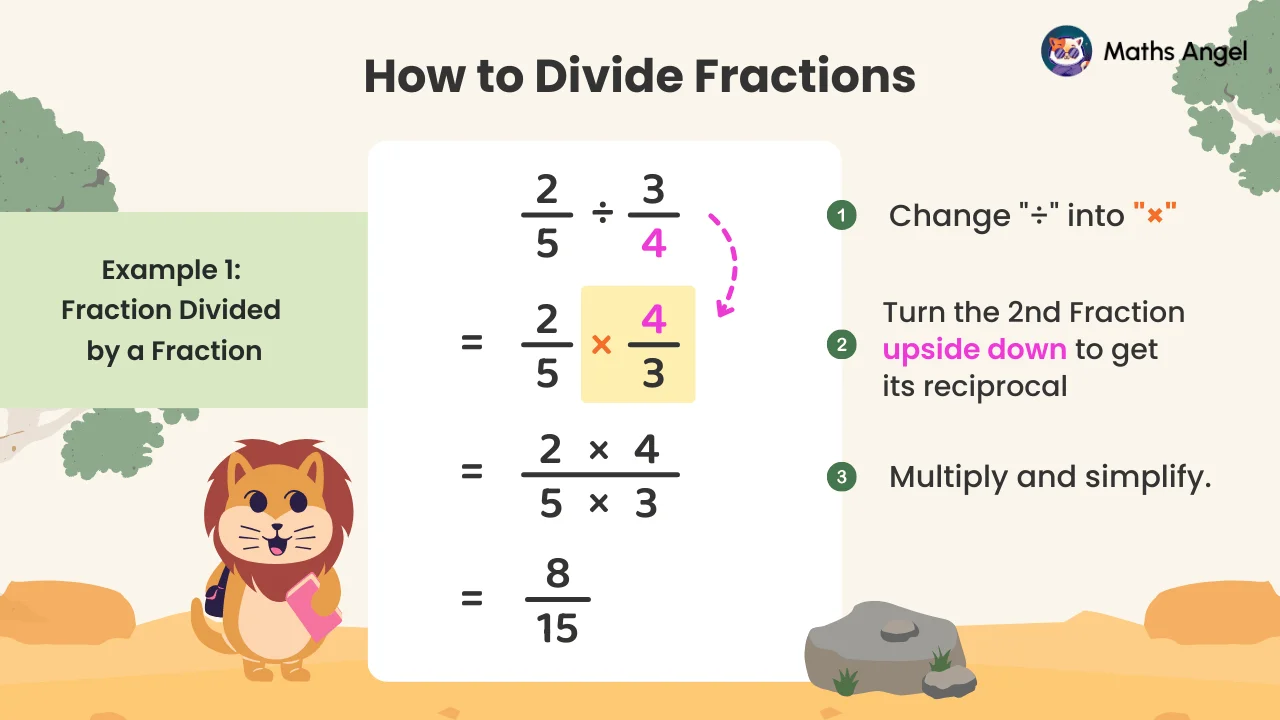
Dividing Fractions
Dividing fractions means keeping the first fraction, flipping the second, and multiplying. Quiz to test yourself, plus flashcards to download.
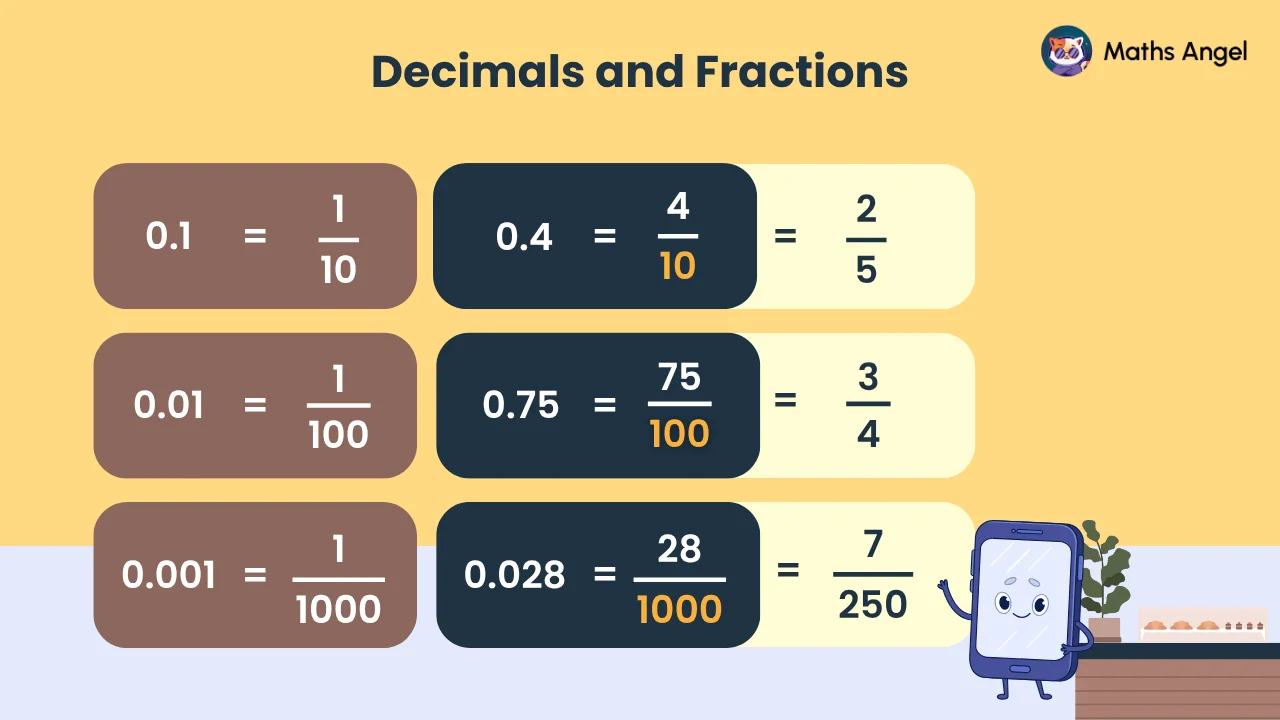
Decimals and Fractions
Decimals and fractions are two ways to show parts of a number. Quiz to test yourself, plus flashcards to download.
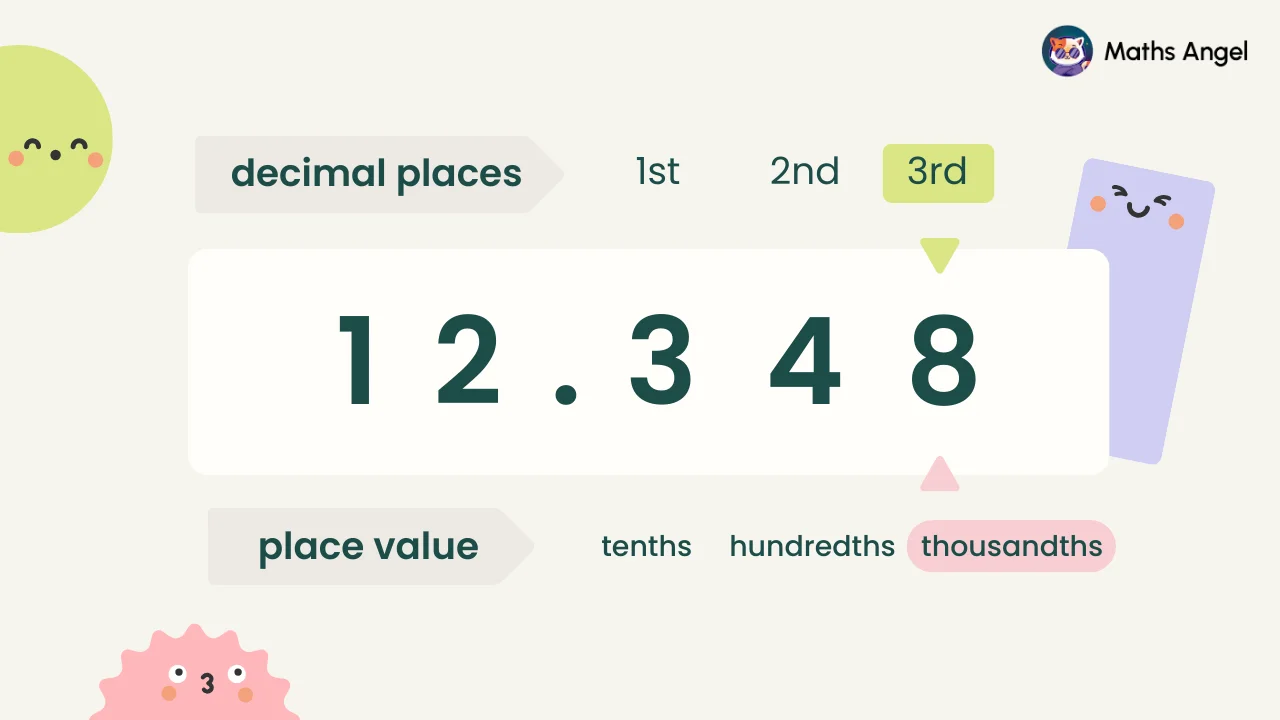
Comparing and Rounding Decimals
Compare decimals digit by digit from the left; to round, 5 or more in the next digit rounds up. Worked examples, plus a 3-minute video.
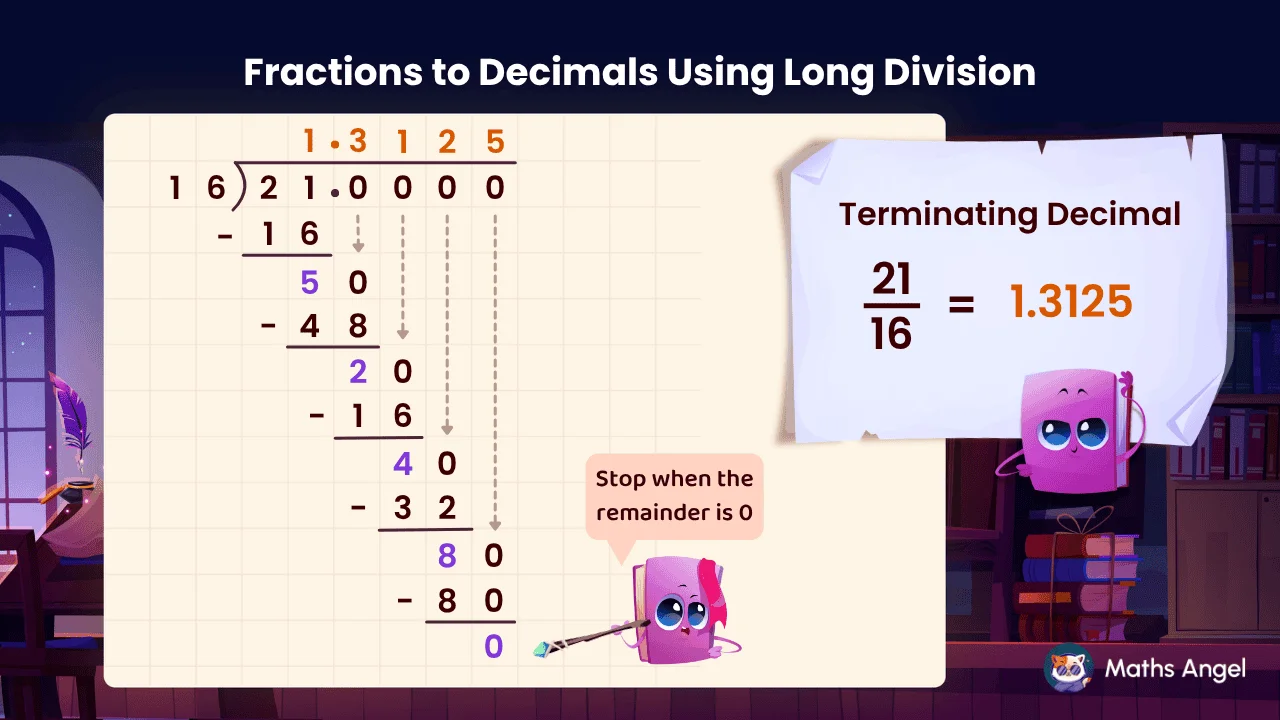
Convert Fraction to Decimal Using Long Division
A fraction converts to a decimal by dividing the numerator by the denominator. Interactive practice to try, plus flashcards to download.
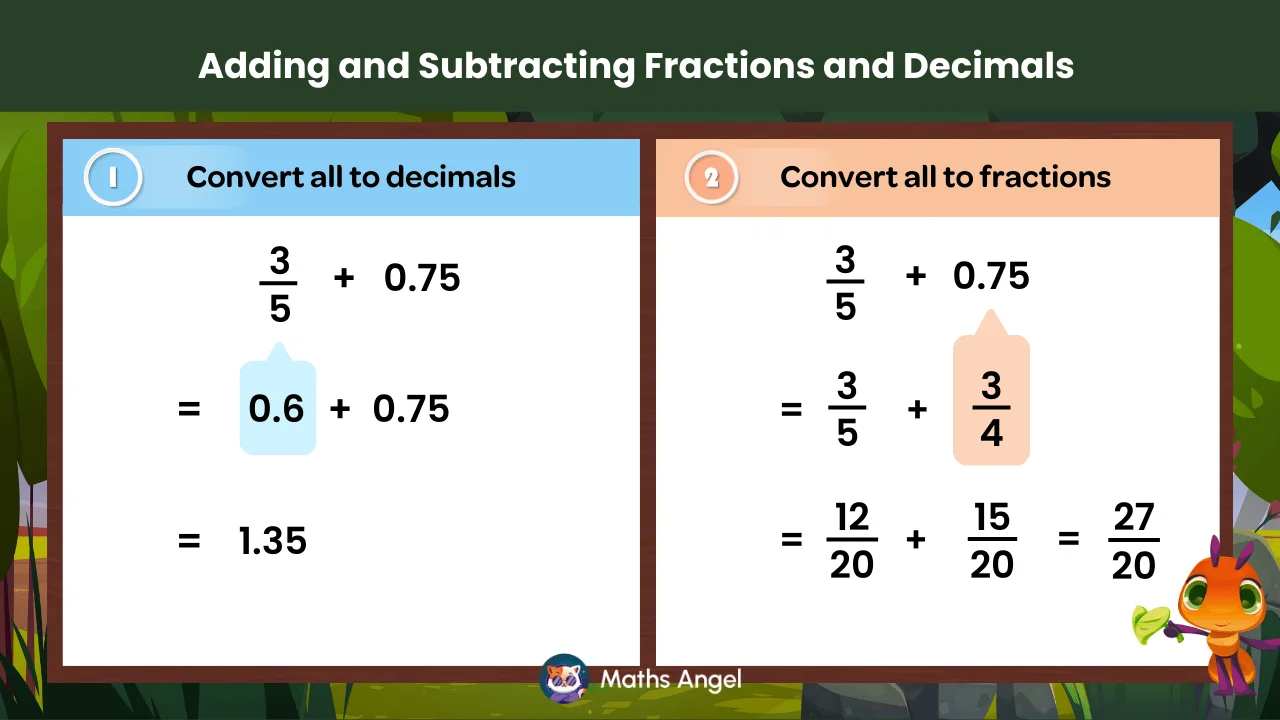
Adding and Subtracting Fractions and Decimals
To add or subtract fractions and decimals, convert them to one form first. Worked examples of both methods, plus flashcards to download.
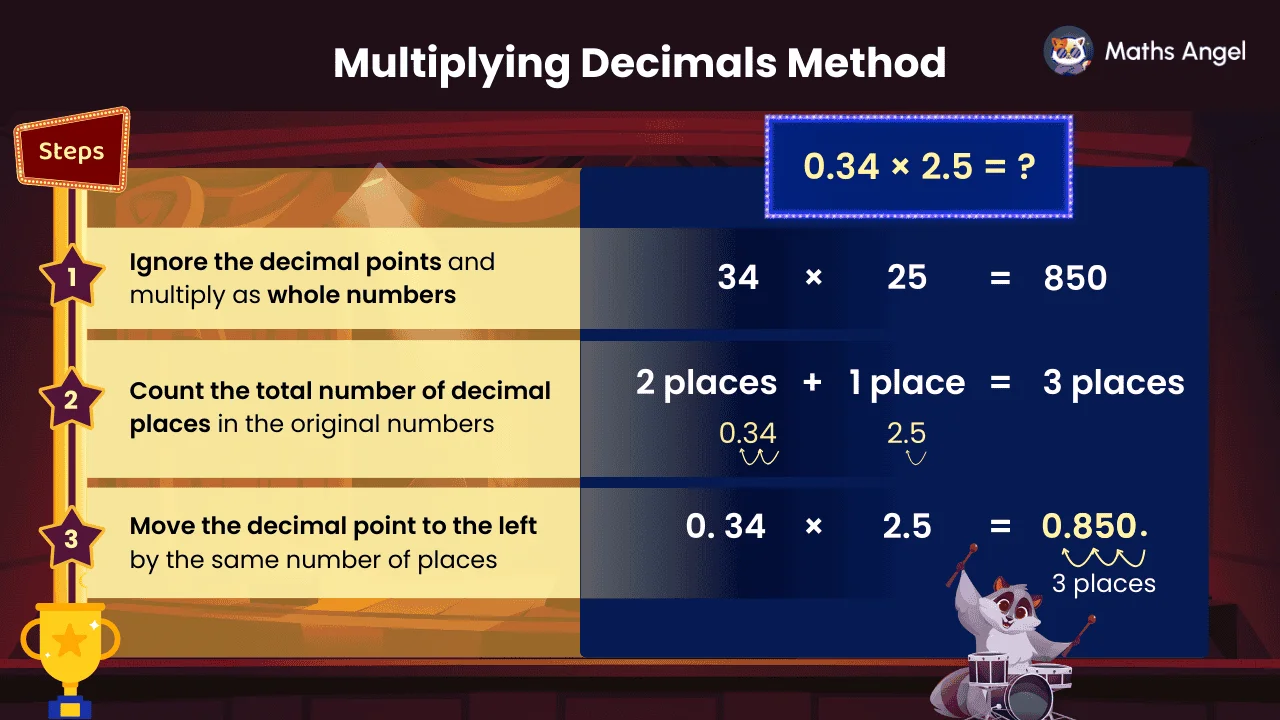
Multiplying Decimals
To multiply decimals, ignore the points, multiply as whole numbers, then put the point back. Worked examples, plus flashcards to download.
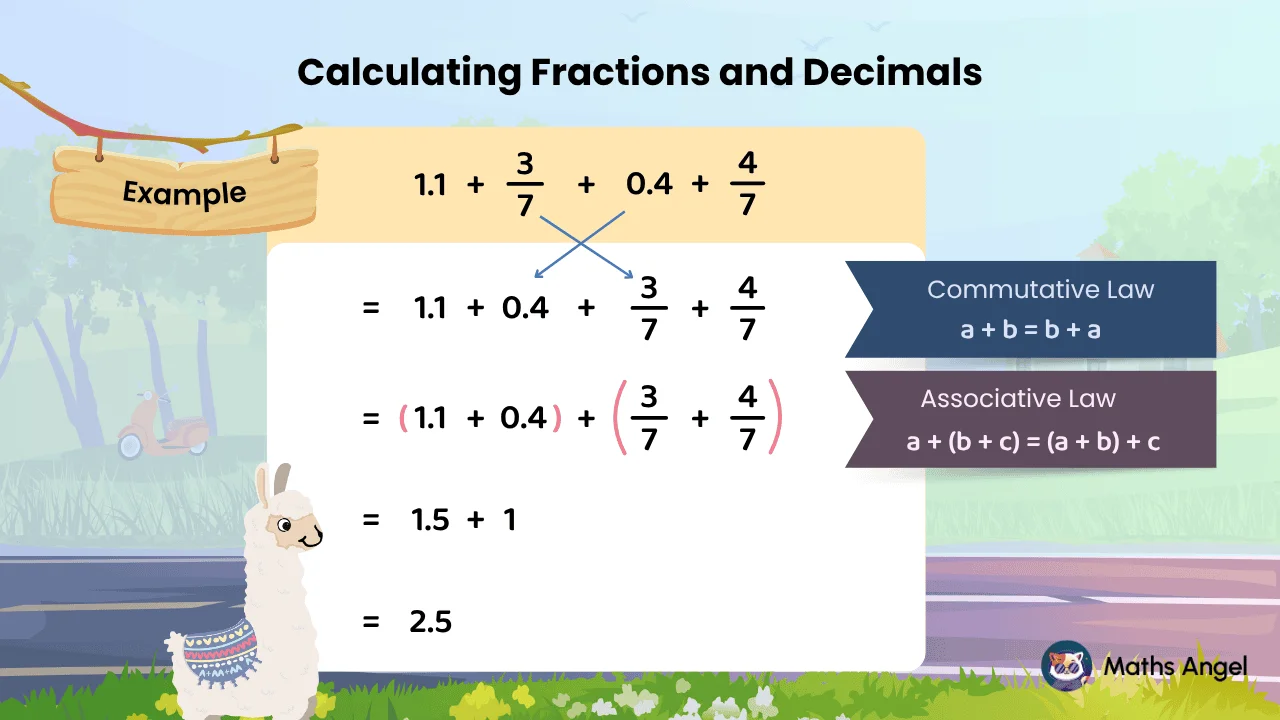
Calculating Fractions and Decimals
The commutative, associative and distributive laws make fraction and decimal sums quicker. Worked examples, plus flashcards to download.
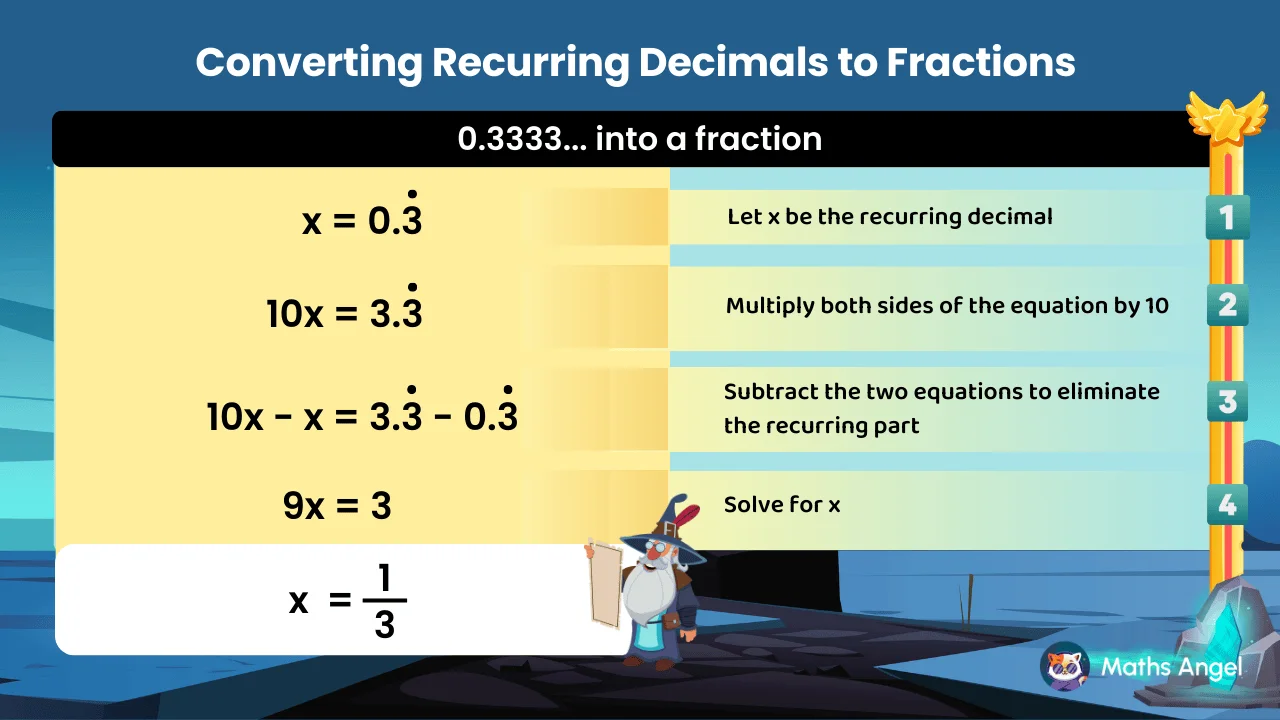
Convert Recurring Decimals to Fractions
Recurring decimal to fraction: let x = 0.333…, so 10x = 3.333…, then 9x = 3 and x = 1/3. Worked examples for GCSE and IGCSE, plus flashcards to download.
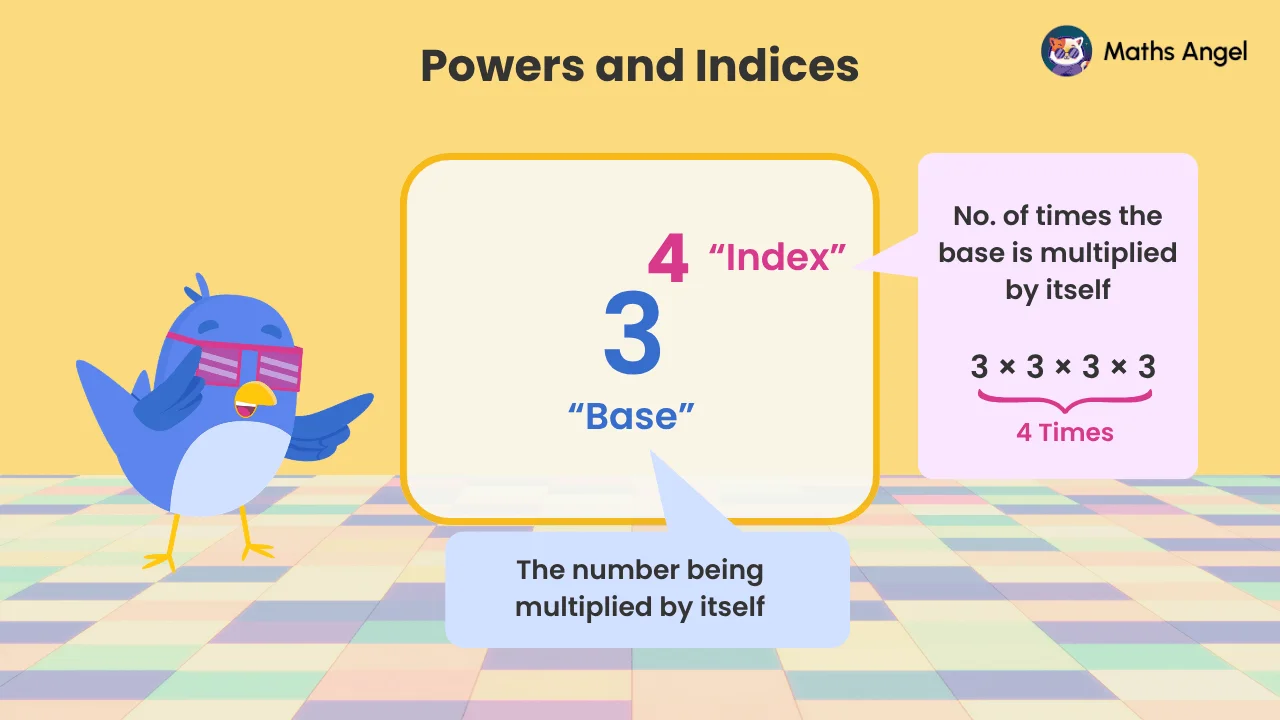
Powers and Indices
Powers and indices mean repeated multiplication, for example, 5³ = 5 × 5 × 5. Interactive practice to try, plus flashcards to download.
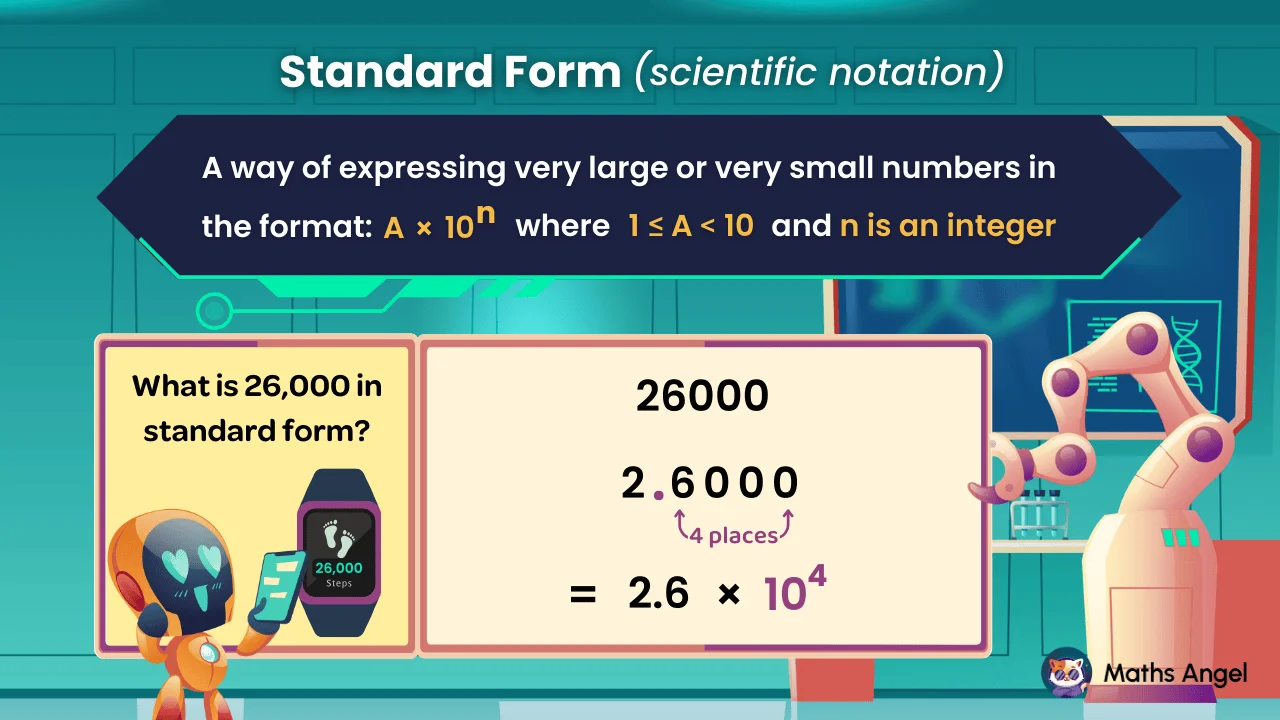
Standard Form
Standard form writes a big or small number as A × 10ⁿ, with A between 1 and 10. So 26000 = 2.6 × 10⁴. Download the flashcards for GCSE and IGCSE revision.
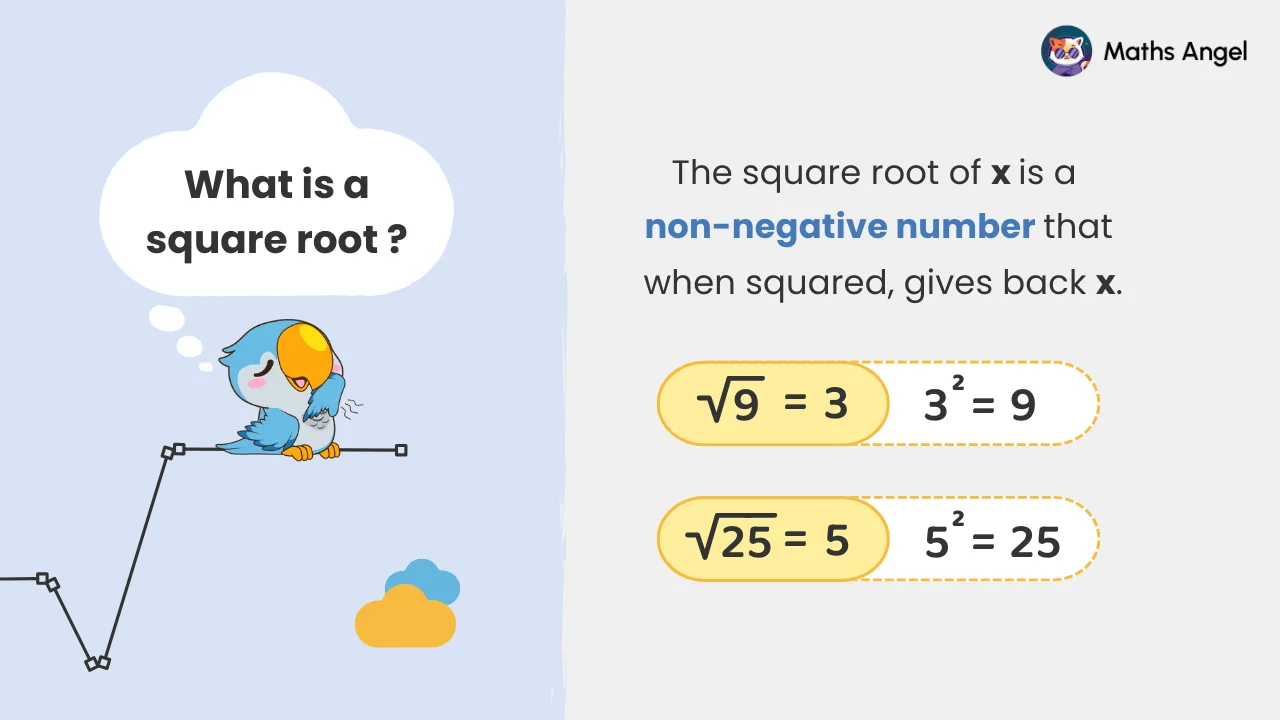
Basics of Square Roots
A square root is a non-negative value that, when squared, gives the original number, so √49 = 7. Worked examples, plus flashcards to download.
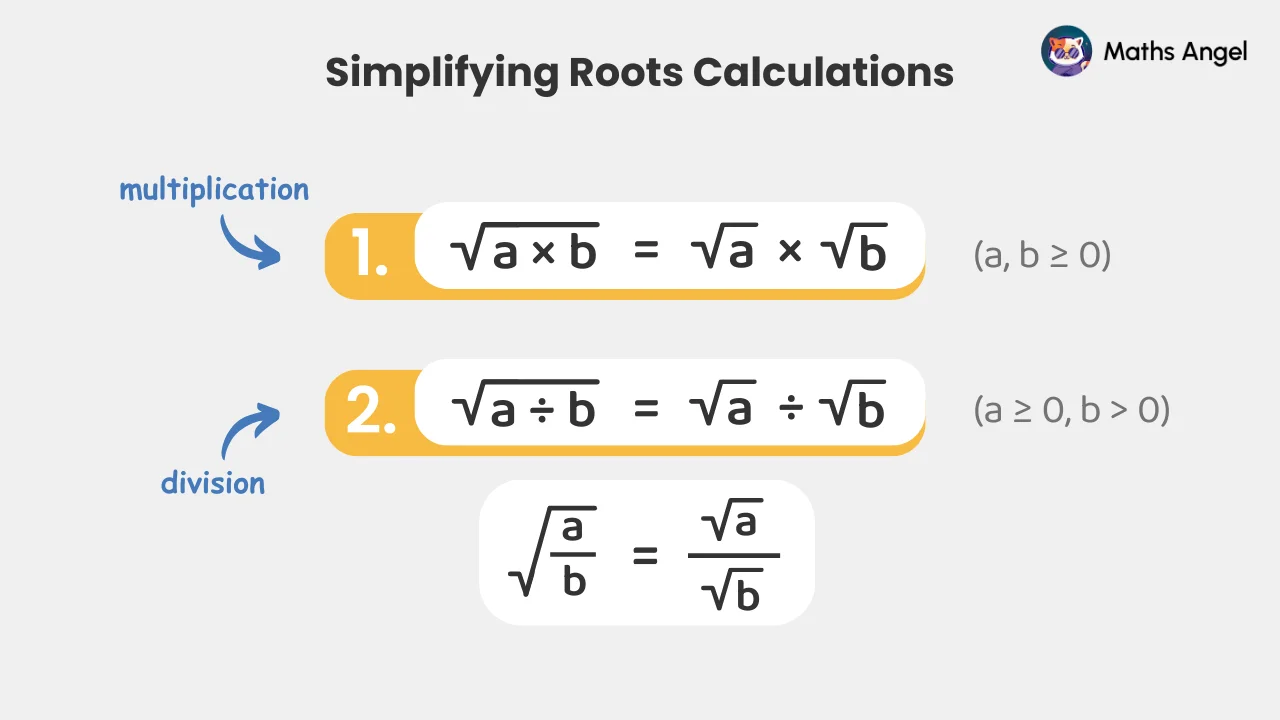
Multiplying and Dividing Square Roots
Multiplying square roots follows √a × √b = √(ab), and dividing follows √a ÷ √b = √(a/b). Flashcards to download for GCSE and IGCSE.
-math-angel.webp)
Laws of Indices (Same Base, Same Indices)
Laws of indices: with the same base, add the exponents to multiply and subtract to divide. Worked examples for GCSE and IGCSE, plus flashcards to download.
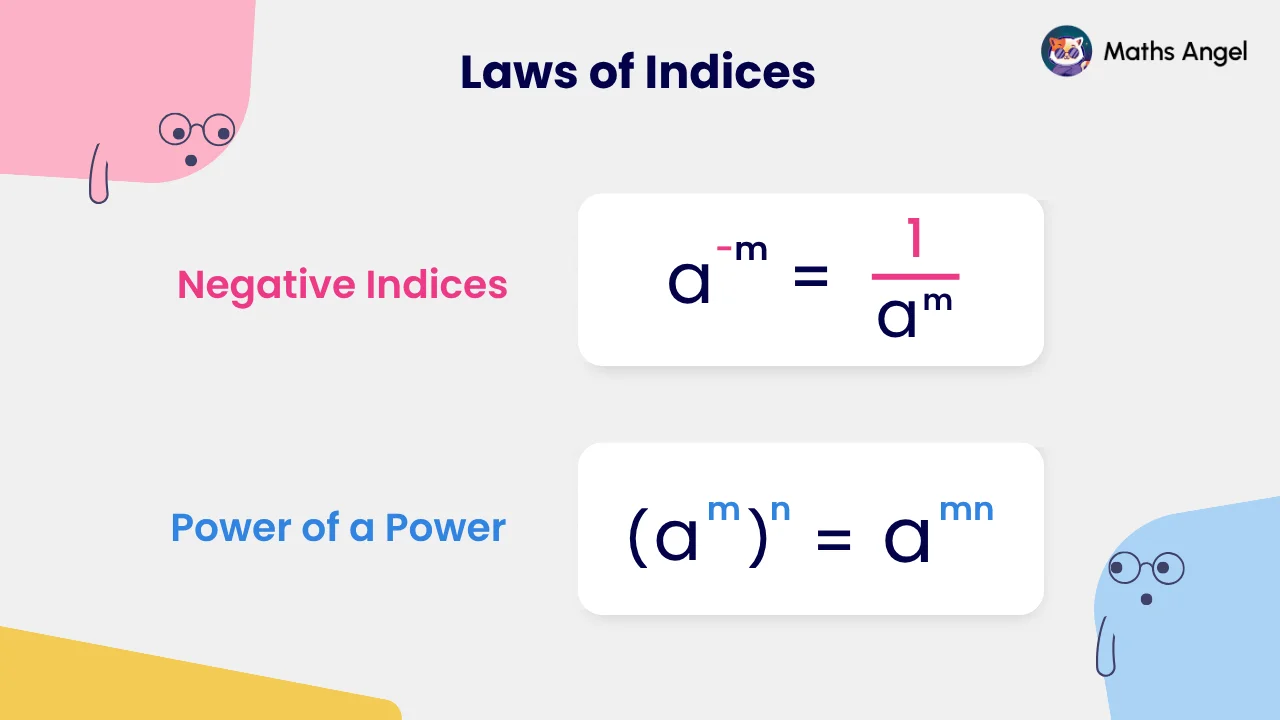
Negative Indices and Power of a Power
Negative indices flip the base to a reciprocal, and power of a power multiplies the exponents. Worked examples for GCSE and IGCSE, plus a 4-minute video.
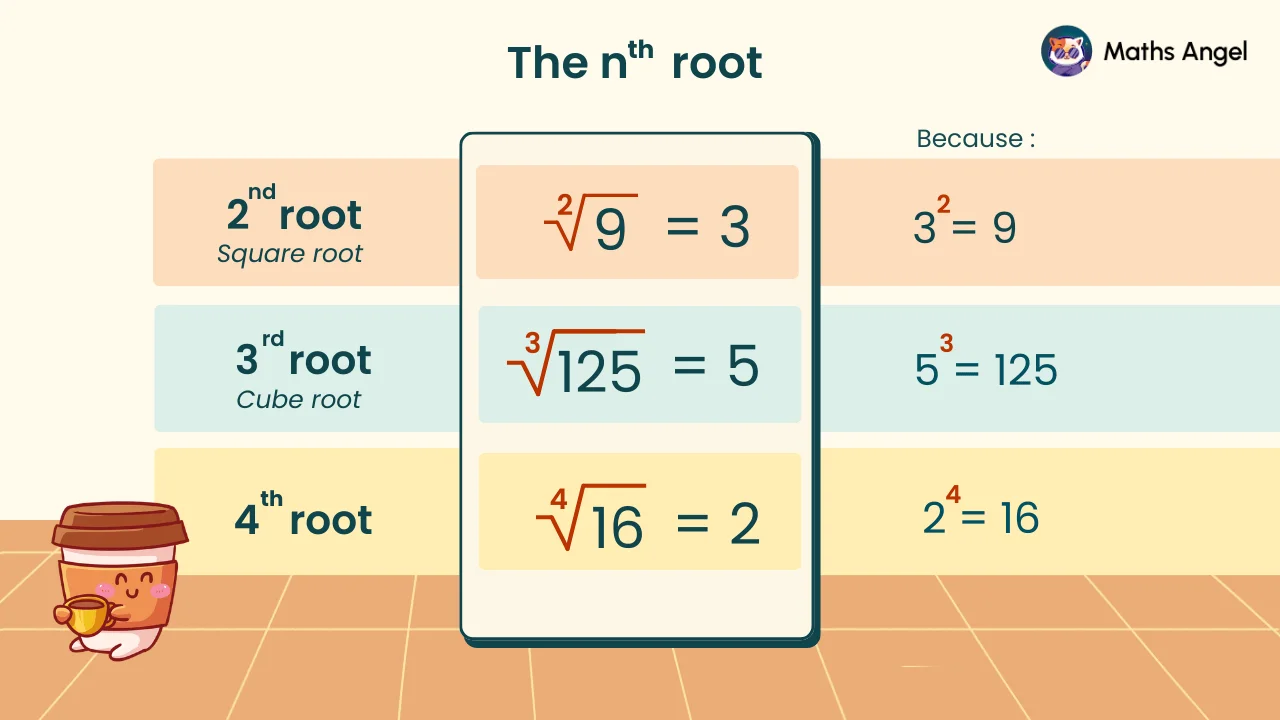
The nth Root and Fractional Indices
A fractional index is a root: x^(1/2) = √x and x^(1/3) = ∛x, so 8^(1/3) = 2 and 8^(2/3) = 4. Flashcards to download for GCSE and IGCSE.